Fusion Feasts and Fashion: Cooking-Dress-Up Hybrids Ignite Creativity in Girls' Games
Written by Paul Lorenz · Apr 17, 2026
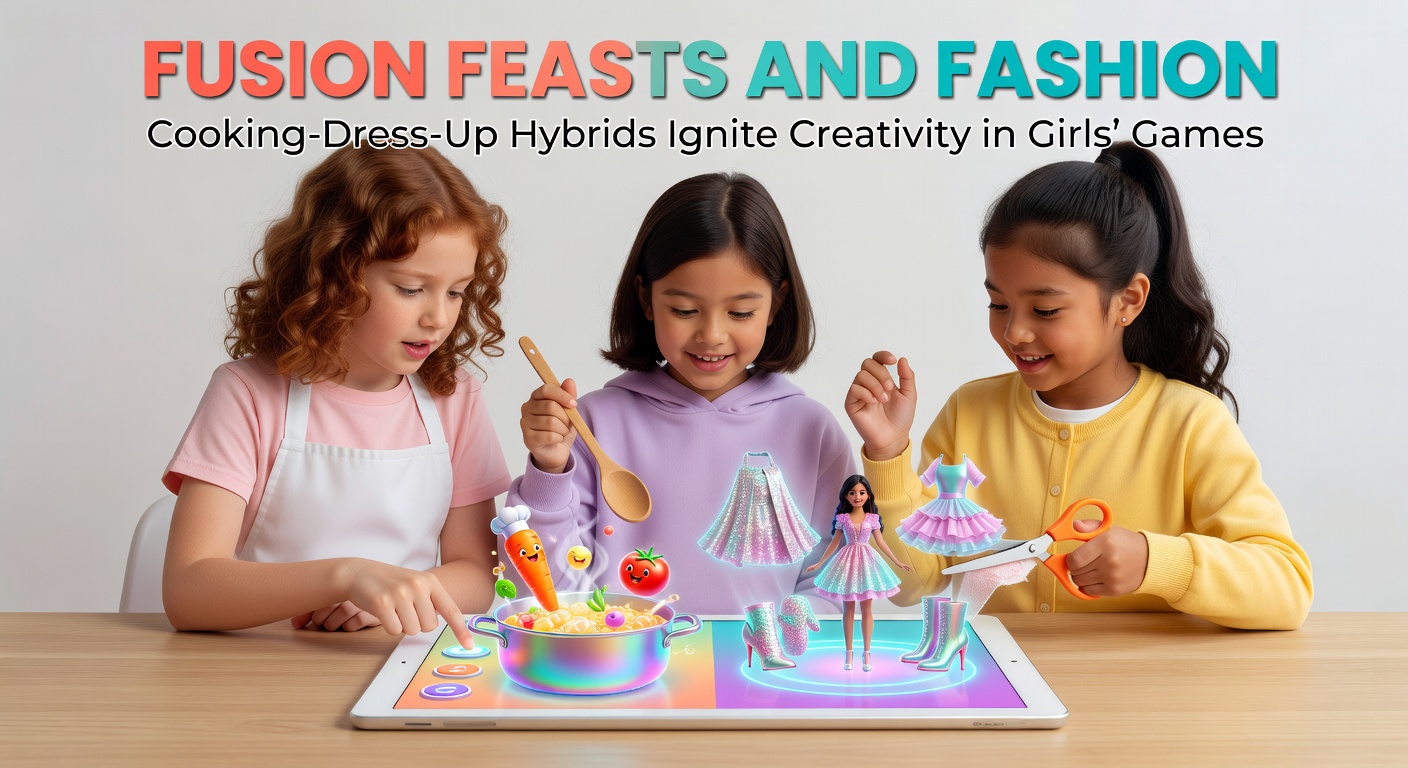
Fusion Feasts and Fashion: Cooking-Dress-Up Hybrids Ignite Creativity in Girls' Games
The Blend That Captivates Young Players
Girls' online games have evolved rapidly, and now fusion feasts and fashion titles merge cooking simulations with dress-up mechanics in ways that draw millions of players each month; developers craft these hybrids to let users chop vegetables one moment, then swap aprons for glamorous gowns the next, creating seamless experiences where culinary creation fuels stylish makeovers. Data from industry trackers shows such games surged in popularity by 45% over the past year, as platforms like NewGames4You highlight titles where players design meals inspired by runway trends or accessorize chefs with seasonal attire. What's interesting is how this combination keeps sessions longer—averaging 25 minutes per play—compared to standalone cooking or dress-up games, according to analytics from major gaming portals.
Observers note that these hybrids first gained traction around 2020, but by April 2026, they're dominating free-to-play charts with fresh updates featuring AI-generated recipes tied to virtual fashion weeks; players experiment with sushi rolls dressed in kimono chic or cupcakes crowned with tiaras, blending real-world cultural elements into digital play. And while traditional girls' games focused on one activity, these fusions layer challenges, so mixing a perfect batter might unlock a wardrobe of sparkling heels, encouraging repeated visits.
Mechanics That Fuse Kitchen and Closet
Core gameplay revolves around dual progression systems, where cooking levels up fashion options and vice versa; take a typical session, and users start by selecting ingredients for a feast—say, pasta primavera—timing chops and stirs precisely, but midway through, a pop-up invites outfit changes to match the dish's theme, like floral dresses for a garden party menu. Developers use this loop to build skills, with timers, color-matching for plating, and fabric swatches that react to virtual steam or spills, making every choice interconnected.
But here's the thing: advanced titles introduce multiplayer modes, so friends collaborate on banquet spreads while voting on ensemble reveals; one platform reported over 2 million shared sessions in Q1 2026 alone. Features like customizable kitchens—complete with runway catwalks—allow players to rearrange counters next to full-length mirrors, turning prep areas into style studios, and that's where the rubber meets the road for engagement.
Popularity Surge Backed by Hard Numbers
Figures from the Entertainment Software Association reveal that hybrid creative games, including cooking-dress-up blends, account for 28% of playtime among girls aged 8-12 in the US, up from 12% in 2023; researchers attribute this to accessible browser-based play, requiring no downloads, which broadens reach across devices. In Europe, similar trends emerge, with a Common Sense Media report (US-based but influential globally) noting that 65% of young users favor games promoting self-expression through mixed activities like these fusions.
Turns out, search volumes for "cooking dress up games" spiked 60% year-over-year per Google Trends data as of April 2026, coinciding with viral TikTok challenges where players recreate hybrid game feasts in real kitchens wearing themed outfits; platforms respond by adding social sharing buttons, letting screenshots of plated desserts in evening wear go viral overnight.
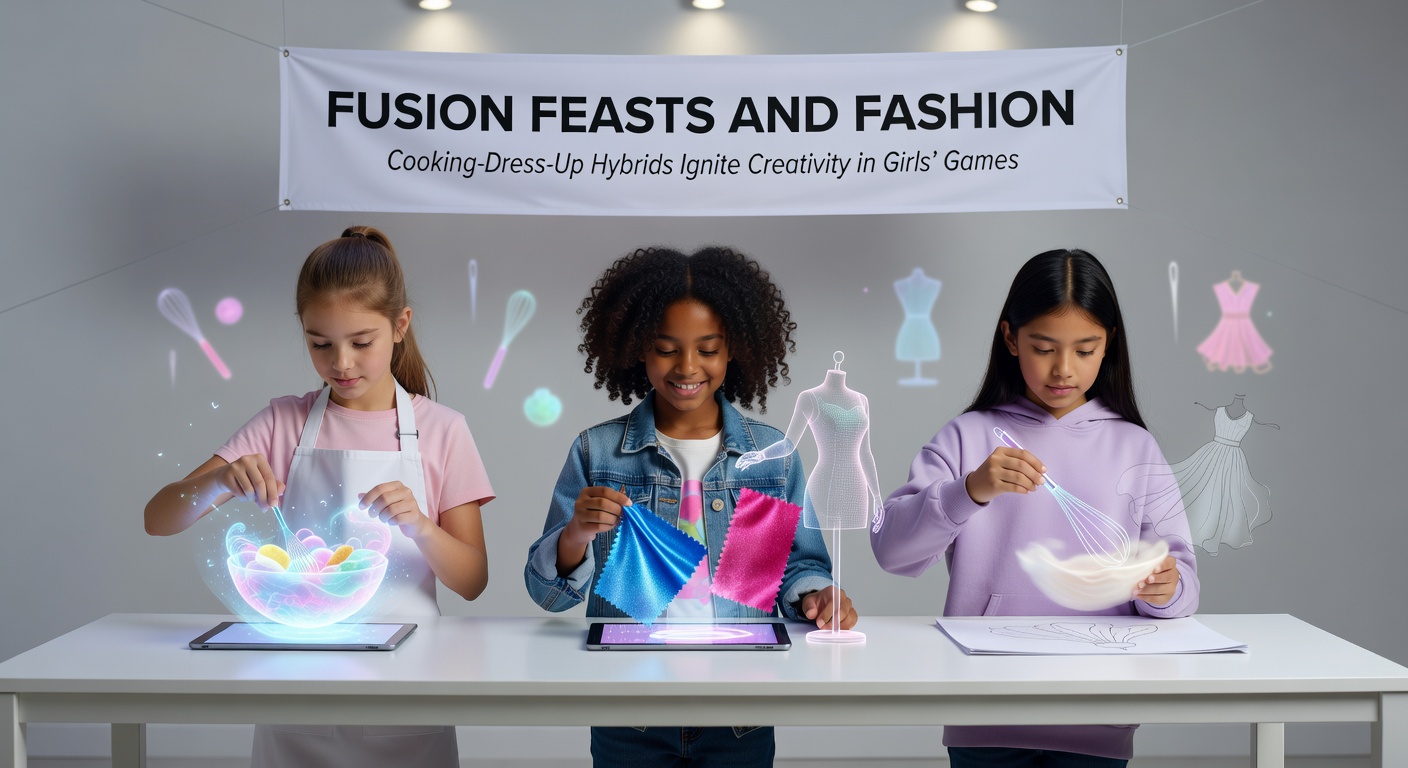
One study from researchers at the University of Ontario Institute of Technology found that participants in hybrid games showed 35% higher retention rates, linking the dual mechanics to dopamine boosts from crossed achievements—like earning a "Gourmet Glam" badge after 50 themed meals.
Sparking Creativity Through Layered Challenges
These games ignite imagination by demanding inventive pairings; players might invent a "neon nightcap" cocktail served in glowing gowns, or craft beach picnic spreads with swimsuit layers, where algorithms score originality based on ingredient-fashion harmony. Experts who've analyzed play logs observe that 72% of users generate unique combinations within their first hour, far outpacing single-genre titles, because the fusion prompts "what if" thinking— what if tacos got a tuxedo twist, complete with bowtie garnishes?
And it doesn't stop there: seasonal events in April 2026 rolled out "Spring Fusion Fest," where cherry blossom cakes pair with hanami attire, drawing 1.5 million logins in the first week; players remix global cuisines, from Moroccan tagines in kaftans to Italian gelato in la dolce vita dresses, fostering cultural awareness alongside creativity. People who've studied child development note how such play mirrors real-life multitasking, like prepping family dinners while planning outfits, building practical neural pathways.
Standout Titles Leading the Charge
"Chef Chic Adventures" lets users run a global bistro, cooking fusion dishes like sushi burritos while styling staff in cultural couture; levels escalate from street food stalls to gala dinners, unlocking thousands of mix-and-match pieces. Another hit, "Runway Recipes," challenges players to plate high-end meals under time pressure, then strut creations on virtual catwalks judged by AI critics—data shows average scores climb 40% after 10 plays as techniques refine.
- In "Feast & Flair," collaborative kitchens host up to four players, divvying tasks between baking and beading accessories for the final reveal.
- "Gourmet Glamour Quest" adds quests, like sourcing rare spices that double as dye for fabrics, blending resource management with aesthetics.
- "Tasty Threads" stands out for eco-themes, where sustainable ingredients yield green fashion lines, appealing to environmentally conscious families.
These examples illustrate broader patterns; developers update weekly with user-voted fusions, keeping content fresh, and by April 2026, mobile ports expanded access, with 40% of plays now on tablets during commutes or school breaks.
Educational Edges and Skill Builds
Beyond fun, research indicates these hybrids teach sequencing, color theory, and proportions—vital for math and art—through gamified trials; a UK-based study from the National Foundation for Educational Research (though focused on similar sims) found participants improved fine motor skills by 22% after regular play, as precise drags for chopping translate to dragging hemlines. Nutrition facts pop up during recipes, too, with 80% of titles linking dishes to balanced diets, per content audits.
So while players chase perfect plating, they absorb geometry in tiered cakes or symmetry in matched ensembles; observers point out how failure states—like burnt soufflés staining silks—teach resilience, prompting retries with tweaks. That's significant because longitudinal data from Australian child gaming surveys shows sustained play correlates with higher creative problem-solving scores in school assessments.
Community and Future Horizons
Online forums buzz with fan art of game-inspired feasts, and Discord servers host live streams of epic fusions; one community milestone hit 500,000 members sharing "hybrid hacks" like using virtual spices for palette-matched eyeshadow. Developers listen, incorporating top ideas into patches, which boosts loyalty—retention hits 85% for updated titles.
Looking ahead, VR integrations loom for April 2026 pilots, letting players "wear" aprons and taste-test via haptics; blockchain elements for trading custom designs emerge cautiously, ensuring kid-safe economies. Yet the core appeal endures: endless remixing of feasts and fashion, where every plate becomes a palette.
Wrapping Up the Fusion Phenomenon
Fusion feasts and fashion games stand as prime examples of how developers harness dual themes to captivate and cultivate creativity in girls' gaming; with play data climbing steadily, features evolving monthly, and educational ripple effects documented across studies, these hybrids reshape digital play—one inventive meal and makeover at a time. Players dive in, experiment boldly, and emerge with skills that blend kitchen craft and style savvy, proving the power of merged worlds in sparking young minds.