Announcement Ripples: Indie Developers' Tactics for Teasing RPG Updates and Releases
Written by David Weber · May 31, 2026
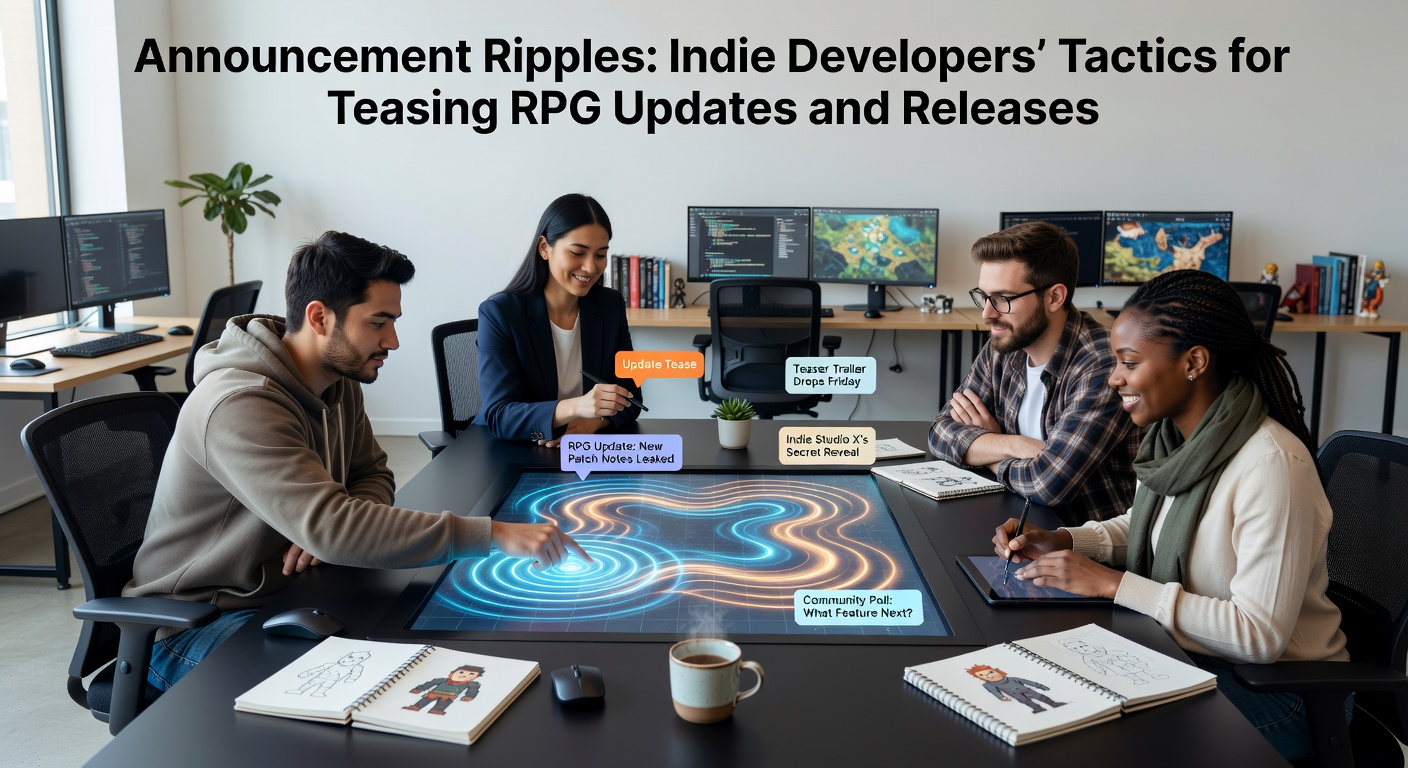
Announcement Ripples: Indie Developers' Tactics for Teasing RPG Updates and Releases
Indie developers managing role-playing game projects have refined a range of announcement strategies that generate sustained interest across digital communities, and these approaches often combine scheduled social media updates with layered narrative hints that unfold over weeks or months. Data from industry tracking services shows increased player engagement metrics when teams release partial maps, character silhouettes, or audio snippets rather than complete patch notes at once, while researchers at institutions such as the University of Alberta have documented how staggered reveals correlate with higher retention rates in free-to-play RPG ecosystems. Observers note that coordination between platform algorithms and timing plays a central role, because posts aligned with peak evening hours in North American and European time zones tend to accumulate more shares and comments within the first forty-eight hours.
Core Methods Employed by Small Studios
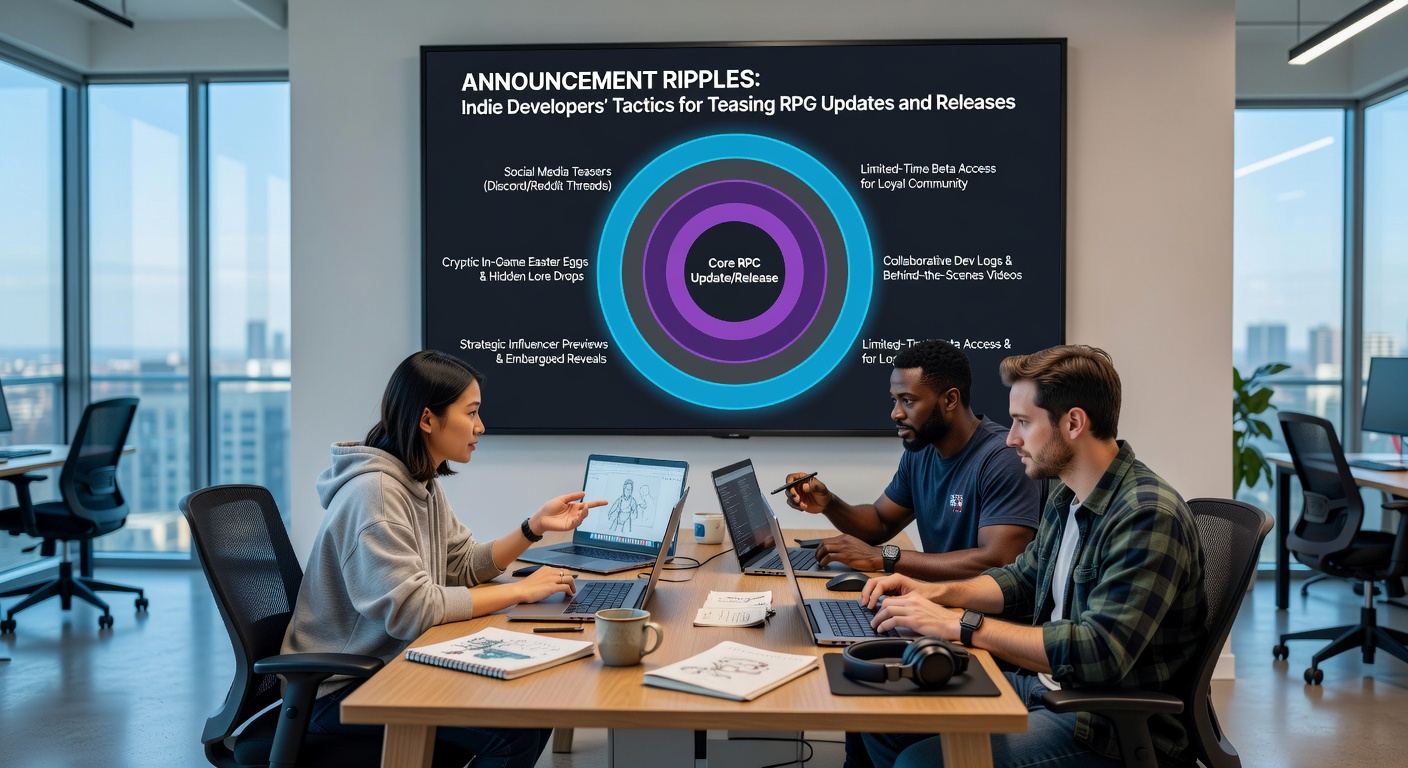
Teams frequently begin with cryptic messages posted on X or Discord servers that reference in-game lore elements without revealing mechanical changes, and this technique allows community members to speculate and create their own content that amplifies reach organically. Studies compiled by the International Game Developers Association indicate that titles employing at least three distinct teaser formats, including static artwork, short video clips, and interactive polls, achieve broader visibility than those relying on single-channel announcements. Developers coordinate these releases with calendar events such as seasonal festivals inside the game world, creating a sense of continuity that keeps existing players invested while attracting newcomers through shared clips.
Another established practice involves developer diaries published on personal blogs or Patreon pages where coders and artists describe technical hurdles overcome during update preparation, and such behind-the-scenes material builds credibility because it demonstrates tangible progress without spoiling narrative arcs. Figures from European trade associations reveal that studios maintaining consistent monthly updates in these formats report steadier download curves compared with sporadic large-scale reveals. In parallel, some groups host live question-and-answer sessions on Twitch where moderators filter questions to maintain focus on upcoming features while still giving participants a feeling of direct involvement.
Timing Patterns Observed Through 2026
As of May 2026 multiple independent RPG projects have synchronized teaser sequences with major platform sales events, and analysts tracking Steam and itch.io data note that announcements placed forty-eight hours before a featured sale window often produce measurable spikes in wishlist additions. This alignment works because players already browsing discounted titles encounter the new information at the moment they are most receptive to expanding their libraries. Research groups in Canada have tracked similar patterns across mobile RPG ports, where cross-promotion between desktop and handheld versions benefits from staggered regional rollouts that respect differing regulatory approval timelines in each market.
Yet the most effective campaigns also incorporate contingency buffers, allowing teams to adjust messaging if unexpected bugs surface during final testing phases. Those who have monitored community forums report that transparent acknowledgment of delays, paired with compensatory teaser material such as concept art, tends to preserve goodwill more effectively than silence. Academic papers examining player behavior suggest that perceived authenticity in communication channels strengthens long-term loyalty metrics across multiple genres, and RPG communities appear particularly sensitive to this factor because narrative investment runs deeper than in many other categories.
Community Amplification Mechanisms
Players themselves become active participants when developers seed puzzle-like clues that require collective decoding, and several documented cases show entire subreddit threads dedicated to mapping out release timelines based on subtle visual cues embedded in teaser images. Trade reports from Australian industry bodies highlight how such participatory elements increase the organic spread of information beyond official accounts, effectively extending marketing reach without additional paid advertising spend. Studios sometimes reward the most insightful community contributions with in-game cosmetic items once the update launches, creating a feedback loop that encourages future engagement.
Integration with external content creators further extends these ripples, because selected streamers receive early access to preview builds under embargo conditions that prevent premature disclosure while still allowing preparation of reaction videos timed to the official drop. Metrics shared by platform analytics services demonstrate that coordinated creator campaigns can multiply initial view counts by factors of three to five compared with direct announcements alone. This approach also provides developers with valuable early sentiment data that can inform last-minute adjustments to feature priority lists.
Conclusion
Indie RPG developers continue to evolve announcement practices that balance information control with audience participation, and the resulting patterns of engagement reflect broader shifts in how digital communities consume and redistribute game-related news. Continued observation of these tactics across platforms will likely reveal further refinements as new tools for interactive storytelling emerge and as player expectations adapt to increasingly sophisticated teaser campaigns.