Community Features Driving Shifts in Hybrid Action-RPG Acquisition on Digital PC Marketplaces
Written by Paul Lorenz · Jun 9, 2026
Community Features Driving Shifts in Hybrid Action-RPG Acquisition on Digital PC Marketplaces
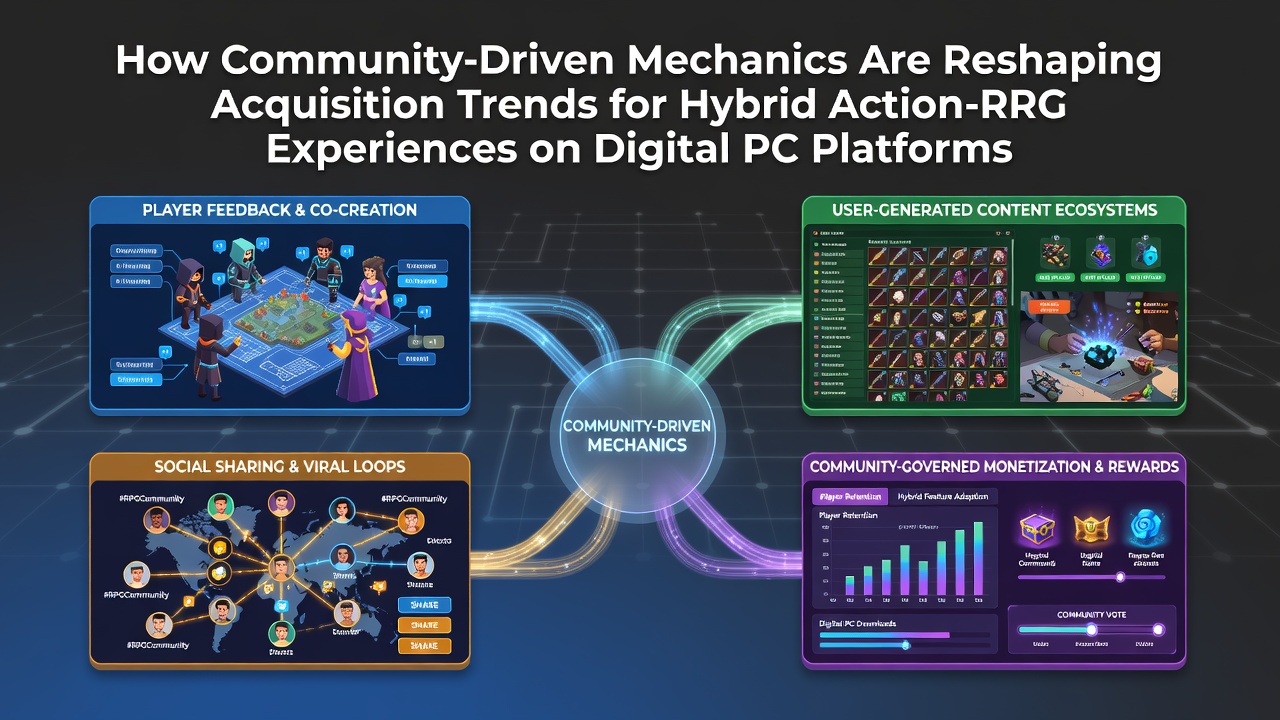
Hybrid action-RPG experiences combine fast-paced combat systems with deep character progression mechanics, and player communities have started to alter how these titles reach new users on digital PC storefronts such as Steam and the Epic Games Store. Developers integrate shared builds, mod support, and live events that encourage ongoing participation, which in turn generates organic visibility and influences purchase decisions over time.
Data from platform analytics in June 2026 showed increased download rates for titles that maintained active community hubs, where users exchange strategies and create custom content that extends game longevity without additional developer intervention. These mechanics create feedback loops because engaged players share screenshots, guides, and play sessions across external forums and social channels, drawing attention from potential buyers who might otherwise overlook the games during initial launch windows.
Shared Progression Systems and Their Reach
Many hybrid action-RPGs now allow players to upload and rate character builds directly within the game client or through companion websites, turning individual progression into collective resources that newcomers consult before committing to a purchase. Observers note that this transparency reduces perceived risk for buyers because they can preview viable playstyles and endgame viability ahead of time, which correlates with higher conversion rates on digital platforms according to aggregated sales reports.
Research conducted by the Entertainment Software Association indicates that titles offering robust build-sharing tools experienced steadier post-launch acquisition curves compared with similar games lacking such features. Community members often refine these systems through feedback threads, resulting in polished resources that function as free marketing material distributed across Reddit, Discord servers, and dedicated wikis.
Modding Ecosystems Expanding Player Bases
Mod support in hybrid action-RPGs enables users to introduce new enemy types, visual overhauls, and balance adjustments that keep core gameplay fresh long after official updates cease. When these modifications gain traction within dedicated communities, they frequently appear in highlight reels and tutorial videos that surface in search results for related keywords, funneling additional traffic toward the base game on PC marketplaces.
One study from Video Games Europe tracked several releases where modding communities contributed measurable upticks in monthly active users, with acquisition spikes occurring during periods of high mod activity rather than during paid promotional campaigns. Platforms respond by featuring these games in algorithmic recommendations once engagement metrics rise, creating a self-reinforcing cycle between community output and storefront visibility.
Live Events and Collaborative Challenges
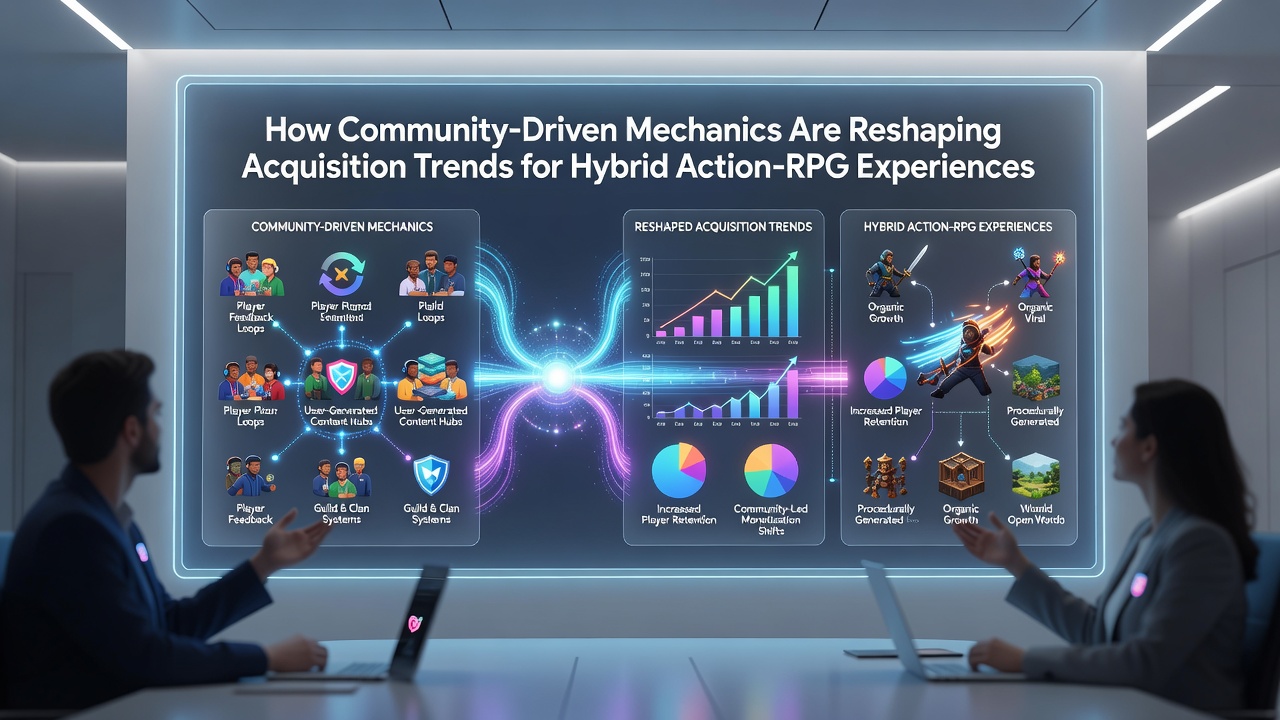
Seasonal community events, such as global boss raids or leaderboard competitions, require coordinated participation that spreads awareness through word-of-mouth channels and streaming platforms. Participants often invite friends to join ongoing seasons, which expands the player pool and leads to additional full-price or discounted acquisitions as newcomers seek to access the latest limited-time rewards.
Figures released by the Interactive Games and Entertainment Association of Australia reveal that hybrid action-RPGs incorporating regular community challenges maintained higher wishlist additions throughout 2025 and into mid-2026, even when marketing budgets remained modest. These events generate temporary but recurring interest peaks that algorithms on digital stores interpret as signals for broader promotion.
Player Economies and Cross-Platform Visibility
In-game economies driven by player trading and crafting communities add layers of interaction that encourage long-term investment, making the overall experience more appealing to spectators who later decide to purchase. When trading systems function smoothly, community members produce market analyses and price-tracking tools that circulate outside the game itself, functioning as additional discovery vectors for undecided users browsing PC digital catalogs.
Those who monitor acquisition patterns observe that games with transparent player economies tend to appear more frequently in “similar titles” carousels on storefronts because sustained trading activity keeps concurrent player counts elevated. This visibility compounds over months rather than weeks, distinguishing hybrid action-RPGs with strong community mechanics from titles that rely solely on launch-day marketing pushes.
Conclusion
Community-driven mechanics continue to reshape how hybrid action-RPG experiences secure audiences on digital PC platforms through shared builds, modding tools, live events, and player economies that generate sustained interest and algorithmic favor. Metrics collected through June 2026 demonstrate correlations between active community participation and steadier acquisition trends, as external sharing and internal systems work together to maintain relevance. Developers who prioritize these features benefit from extended visibility cycles that traditional advertising alone has not replicated at comparable scale.