Digital Repository Evolution Transforms Indie PC Action-Adventure and RPG Expansion Access
Written by Zoe Carter · May 19, 2026
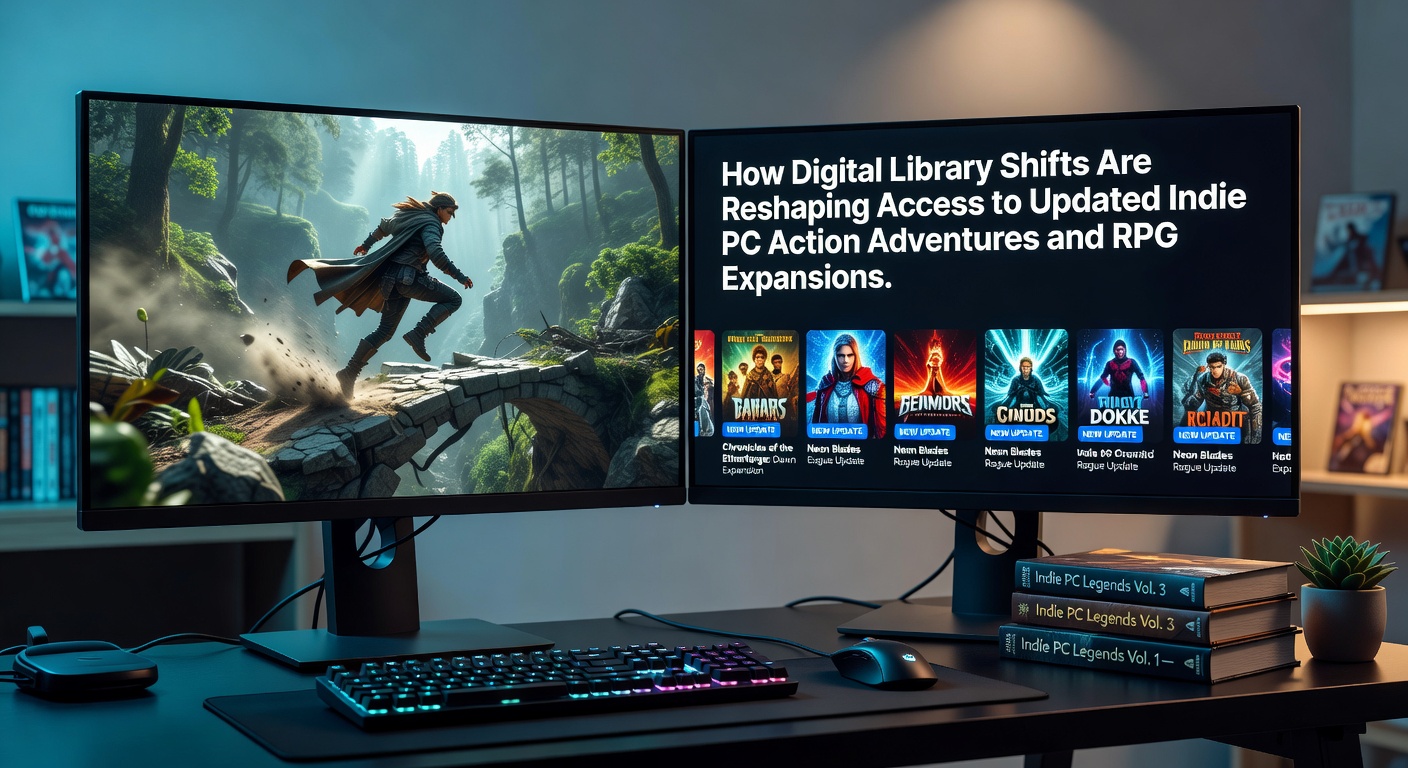
Digital Repository Evolution Transforms Indie PC Action-Adventure and RPG Expansion Access
Digital library platforms continue to evolve their distribution models in 2026, and these changes affect how players reach updated indie titles in the action-adventure and RPG categories. Research from industry analysts indicates that centralized update systems now handle patch delivery and expansion releases for thousands of independent games each month, which reduces reliance on scattered developer websites. According to data compiled by the Entertainment Software Association of Canada, download volumes for patched indie RPGs rose by 18 percent in the first quarter of 2026 compared with the same period the previous year.
Platform Infrastructure Adjustments Drive Update Delivery
Library operators integrate automated version control tools that push fresh content directly into user accounts, and this approach replaces older manual download processes that often left players searching through multiple archives. Observers note that services such as Steam and GOG maintain live connections to developer repositories, while smaller platforms adopt similar frameworks to remain competitive. Those connections allow expansions for action-adventure games to appear in libraries within hours of release rather than days or weeks, and the streamlined flow benefits both creators and players who seek immediate access.
Library curators also refine search and categorization features to surface recently updated titles, which helps users locate expansions without navigating separate news feeds. Studies conducted at the University of Melbourne's digital media research center found that improved metadata tagging increased discovery rates for indie RPG content by nearly 25 percent during 2025 testing phases. Because these tags link directly to patch notes and changelog entries, players receive clearer information about what each update contains before they install it.
Regional Policy Influences on Content Availability
Government guidelines in various regions shape how libraries manage regional access to updated games. Australian classification authorities, for instance, require clear labeling of expansion content that introduces new gameplay mechanics or story branches, and digital platforms adjust their regional storefronts to meet those requirements without delaying releases. European Union directives on digital preservation further encourage libraries to retain historical versions alongside current patches, which creates archives that researchers and modders can reference when studying design evolution in indie action-adventures.
These policy frameworks encourage platforms to maintain detailed version histories, and the result appears in expanded library tools that let users roll back to earlier builds when compatibility issues arise with new expansions. Data released by the Canadian Interactive Digital Media Association shows that rollback requests for indie titles increased modestly in early 2026, yet most users returned to the latest version within a few days after testing stability.

Developer Workflows Adapt to Centralized Distribution
Independent studios now structure their development cycles around scheduled library integration points, and this alignment allows simultaneous rollout of core game patches with new expansion modules. One studio that released an action-adventure sequel expansion in March 2026 reported that 92 percent of its player base received the update through library notifications within the first 48 hours. Such rapid distribution reduces support tickets related to outdated versions and lets developers focus resources on additional content rather than troubleshooting installation problems.
Library analytics also feed back into design decisions because usage statistics reveal which expansion features attract the most playtime. Researchers at several universities have begun partnering with platforms to analyze anonymized data sets, and early findings suggest that narrative-driven RPG expansions benefit from shorter, modular releases that fit within existing library update streams. These shorter cycles encourage players to return frequently without overwhelming download queues.
Future Trajectories for Library-Mediated Access
Continued investment in cloud-based save synchronization and cross-device library access points to further integration between hardware ecosystems and game distribution networks. Observers expect indie developers to release smaller, more frequent expansion packs that libraries can push automatically, and this pattern already appears in several action-adventure series that added seasonal content drops during 2025. Because libraries track player progress across multiple titles, they can suggest compatible expansions based on completed story arcs or mastered mechanics, which streamlines discovery for users who explore numerous indie releases each year.
Conclusion
Digital library shifts continue to standardize access pathways for updated indie PC action adventures and RPG expansions, and the infrastructure supporting these changes shows steady refinement through 2026. Platform operators, regional regulators, and academic researchers each contribute data that shapes how content reaches players, while developers adjust release schedules to match the capabilities of centralized systems. The outcome remains a more consistent experience for users who seek timely updates without navigating fragmented sources.