Digital Shifts: Indie Developers Leveraging Updates to Refresh Action RPG Offerings
Written by Devon Becker · May 29, 2026
Digital Shifts: Indie Developers Leveraging Updates to Refresh Action RPG Offerings
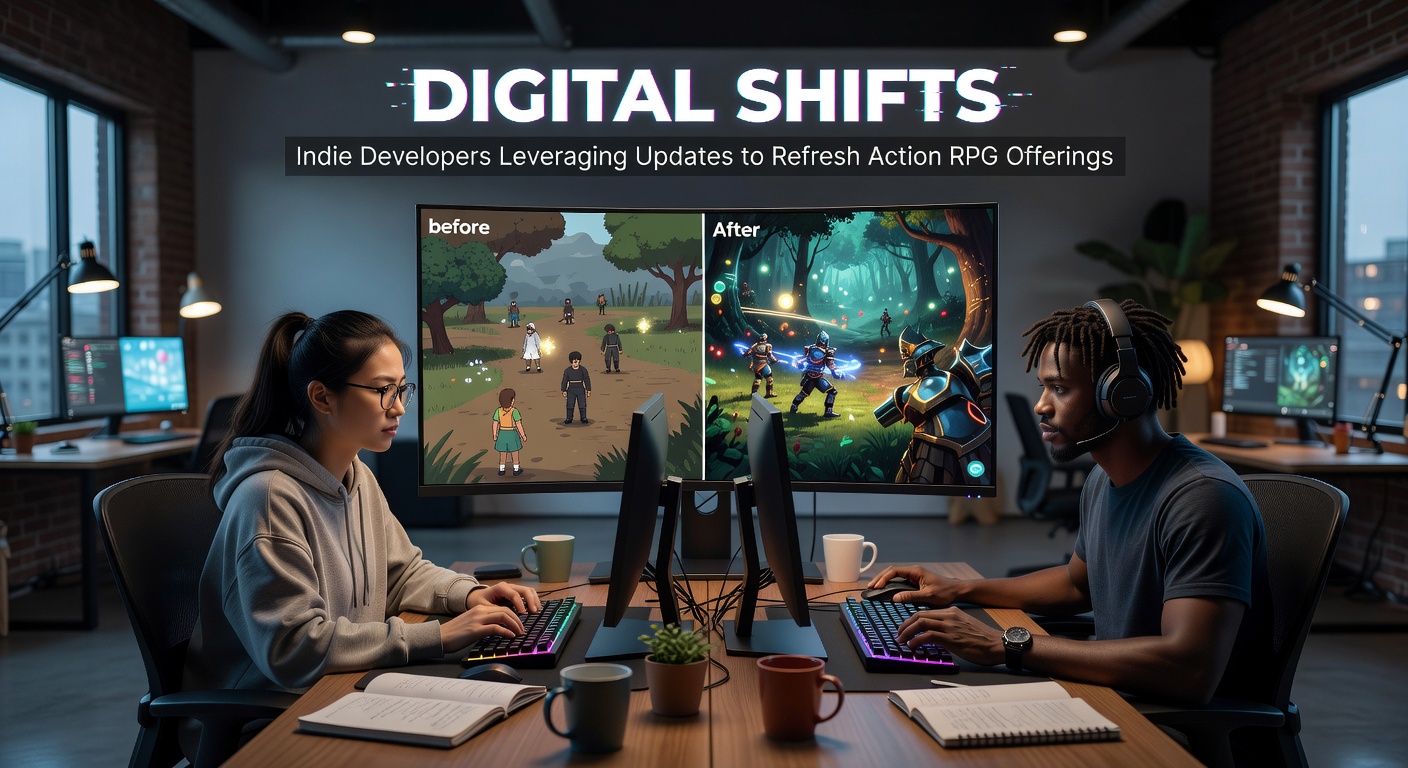
Indie developers have been reshaping action RPG landscapes through targeted updates that breathe new life into existing titles, and observers note these changes have accelerated notably by May 2026. Many small teams now rely on post-launch patches to introduce fresh mechanics, expanded worlds, and refined combat systems without the need for full sequels. Data from industry reports shows that such strategies allow developers to maintain player engagement over extended periods while managing limited resources effectively.
Patch-Driven Evolution in Action RPGs
Action RPGs from independent studios often start with core loops centered on exploration, character progression, and real-time battles, yet developers frequently return months later with substantial revisions. These updates integrate new skill trees, enemy variants, and environmental interactions that align with player feedback gathered through community channels. Researchers at various academic institutions have documented how this iterative process transforms initial releases into more dynamic experiences, as evidenced in studies tracking retention metrics across multiple platforms.
One notable pattern emerges when teams apply modular design principles during development; this approach enables seamless additions like cooperative modes or revised loot systems that feel native to the original framework. According to figures from the Entertainment Software Association, indie action RPG downloads have seen consistent growth tied directly to these refresh cycles, particularly in regions where digital distribution dominates.
Case Examples of Update Strategies
Take a studio that launched a pixel-art action RPG in 2024 and followed it with quarterly expansions through 2026; their May update introduced weather-affected combat arenas that altered enemy AI behaviors based on environmental conditions. Players encountered scenarios where rain reduced visibility while boosting certain elemental attacks, creating layered tactical decisions absent from the base game. Similar efforts appear in titles where developers overhaul progression curves to accommodate both casual and hardcore audiences within the same build.
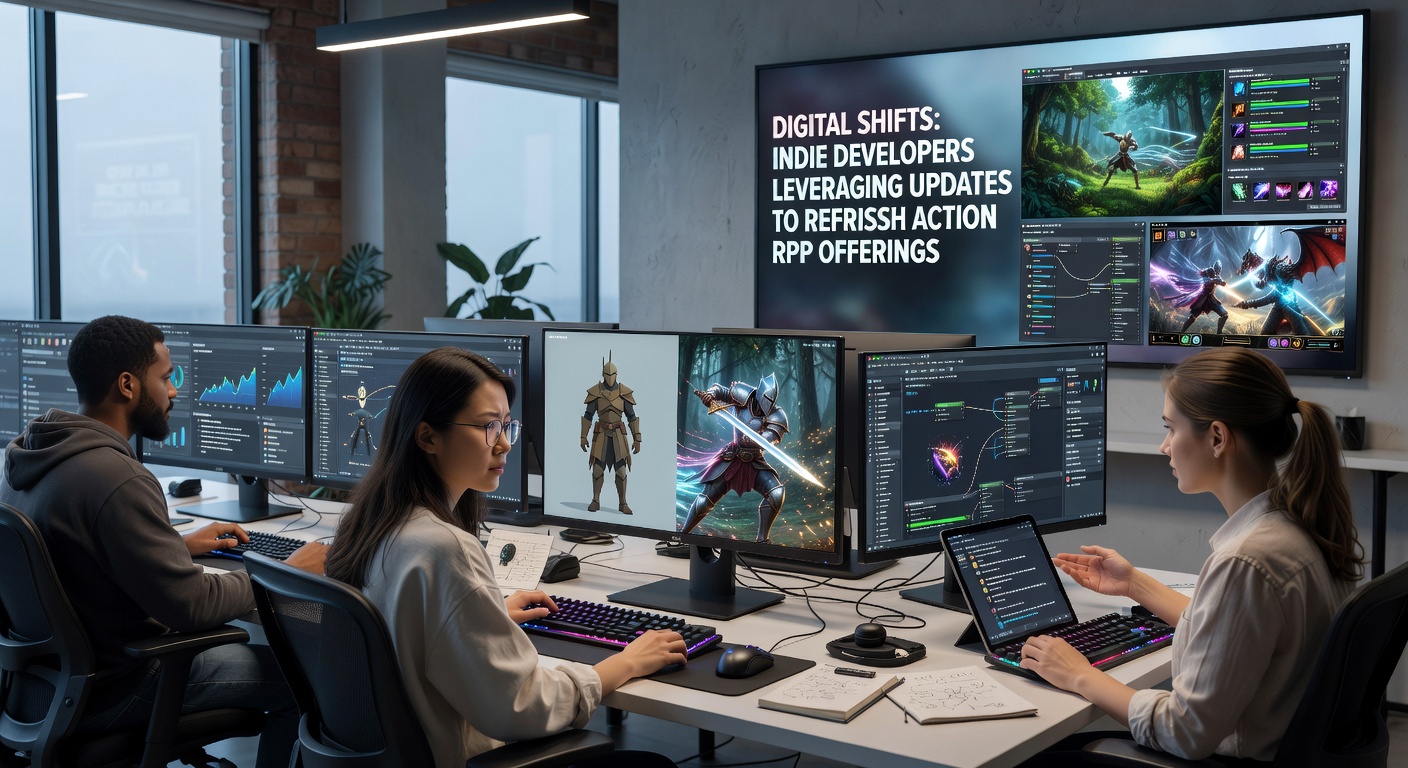
Another example involves a Canadian-based team that leveraged community-driven data to refine boss encounters, turning static fights into multi-phase sequences with adaptive difficulty scaling. Reports from the Interactive Games and Entertainment Association highlight how these adjustments have boosted average playtime across indie catalogs, demonstrating measurable impacts on player investment without requiring major marketing pushes.
Technical and Distribution Factors
Digital storefronts facilitate rapid deployment of these updates through automated patch systems that minimize downtime for users. Developers utilize cloud-based tools to test changes across diverse hardware configurations, ensuring stability before wider release. What's interesting is how regional regulations in areas like the European Union influence update pacing, as compliance requirements around data privacy shape how telemetry informs design decisions.
University-led analyses have examined these workflows, finding that smaller teams achieve comparable results to larger studios when they prioritize backward-compatible code structures. This allows legacy saves to carry forward while layering in new content, preserving continuity for long-term fans. Evidence suggests such practices reduce development overhead, freeing resources for creative expansions rather than foundational rebuilds.
Player Response and Market Trends
Community metrics reveal heightened activity following major patches, with forums and review platforms showing spikes in positive commentary around refined mechanics. Those who've studied download patterns note that refreshed action RPGs often climb visibility charts on aggregator sites during update windows, drawing attention from audiences seeking evolved gameplay loops. Australian research groups tracking gaming trends have linked these surges to broader shifts toward live-service elements in the indie space.
Yet the process demands careful balancing, since overly frequent changes risk fragmenting player bases accustomed to stable experiences. Studios address this by providing opt-in beta branches where enthusiasts test upcoming features, gathering targeted input before final rollout. This method has become standard among developers aiming to sustain momentum through 2026 and beyond.
Conclusion
Indie developers continue to harness updates as core tools for revitalizing action RPG offerings, supported by advancing digital infrastructure and data-informed design. These practices have produced measurable shifts in how titles evolve post-launch, with evidence from multiple sources confirming sustained interest and expanded feature sets. As May 2026 unfolds, the pattern points toward further integration of community insights into ongoing development cycles across the sector.