Indie RPGs Drive New Download Patterns Through PC Platform Updates
Written by Devon Becker · Jun 5, 2026
Indie RPGs Drive New Download Patterns Through PC Platform Updates
Indie role-playing games continue to reshape download behaviors on PC platforms as developers integrate fresh content updates that extend playtime and introduce new mechanics, and observers note these changes have accelerated since early 2026. Data from major distribution services shows increased activity around titles that receive regular patches, with many users returning to previously purchased games rather than seeking entirely new releases.
Platform-Wide Shifts in User Behavior
Steam, itch.io, and GOG have recorded measurable differences in how players interact with indie RPG libraries, and these patterns became particularly evident during June 2026 when several long-running projects pushed substantial content drops. Players often download updates that expand character customization options, add region-specific story branches, and refine combat systems, which in turn prompts repeat visits to the same product pages. Research from the Entertainment Software Association indicates that such iterative development models now account for a growing share of engagement metrics on PC storefronts compared to traditional one-time launches.
Small teams behind these games frequently rely on community feedback loops to prioritize which features receive attention next, and this approach has led to sustained download spikes even months after initial release. One study conducted by researchers at the University of Alberta examined update frequency across dozens of titles and found a direct correlation between the number of post-launch patches and the volume of new installations from both returning and first-time users.
Content Additions Fueling Continued Interest
Many indie RPGs released in 2025 and 2026 incorporate modular update systems that allow developers to introduce new dungeons, companion stories, and balance adjustments without requiring full game overhauls. These additions keep existing player bases active while attracting fresh downloads from individuals who discover the titles through word-of-mouth or algorithmic recommendations. Figures from European gaming industry reports reveal that RPGs with at least four major updates within the first year post-launch experience download retention rates roughly double those of titles that remain static after release.
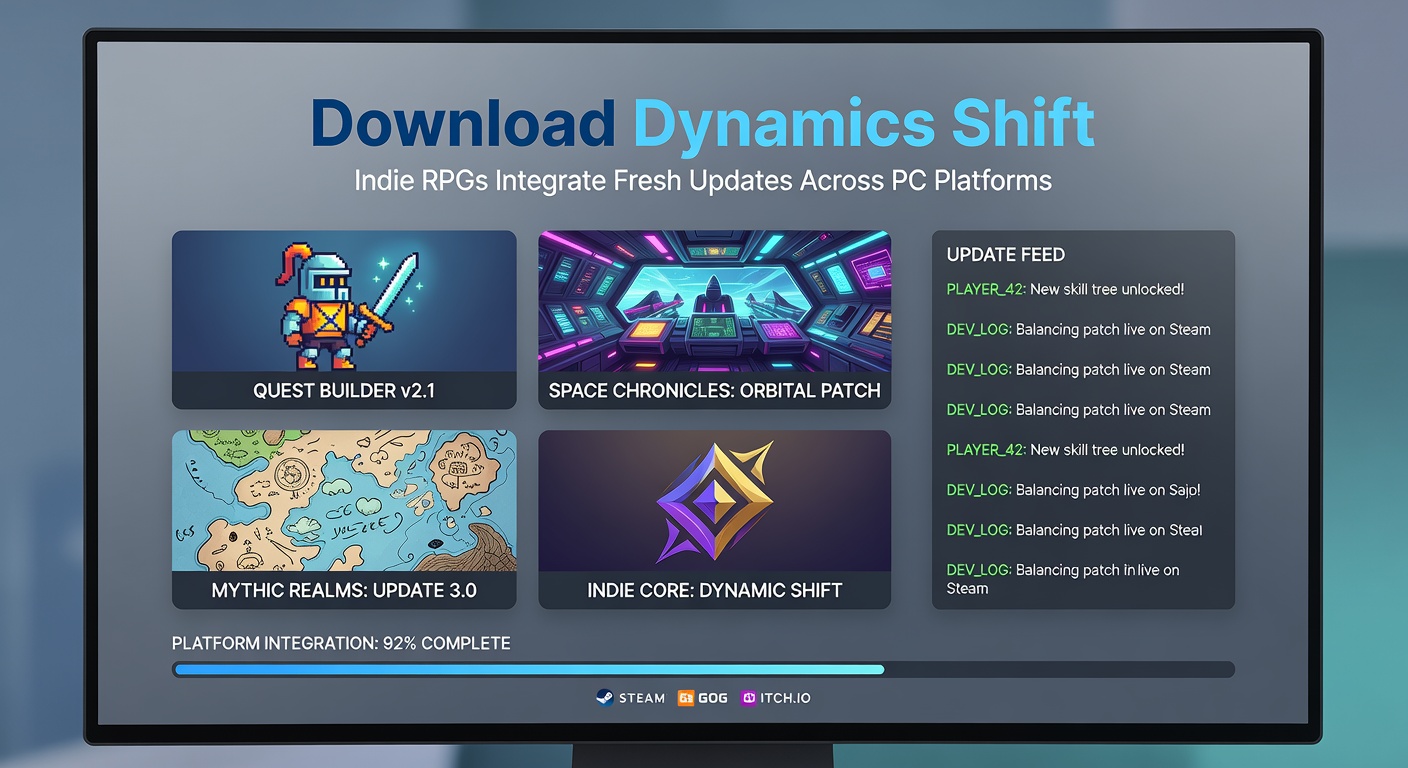
Cross-platform compatibility improvements also play a role, as developers optimize patches for various operating systems and hardware configurations. Users on Windows, Linux, and macOS benefit from synchronized rollouts that eliminate previous fragmentation issues, and this technical refinement has encouraged broader adoption across different PC ecosystems. According to data compiled by the Interactive Games and Entertainment Association in Australia, such optimizations contributed to higher download completion rates during the second quarter of 2026.
Distribution Channels and Visibility Factors
Visibility on digital storefronts often hinges on update announcements, which trigger promotional features and community highlights that drive additional traffic. Developers who maintain consistent communication about upcoming changes see their games appear more frequently in discovery sections, leading to organic download growth without heavy marketing spend. Industry observers have documented cases where a single well-received patch increased weekly downloads by double-digit percentages across multiple regions.
Bundle promotions and seasonal sales events further amplify these effects, especially when updated indie RPGs are included alongside newer releases. The combination of fresh content and discounted pricing creates favorable conditions for users exploring the genre for the first time, and platform analytics confirm that such pairings result in higher conversion from wishlist additions to actual downloads.
Conclusion
Download dynamics across PC platforms continue to evolve as indie RPG developers integrate ongoing updates that extend the lifespan of their projects. These patterns, observed through platform data and academic analysis, reflect broader shifts in how players engage with digital games that receive sustained support after launch. As more developers adopt similar approaches, the relationship between content iteration and download volume is likely to remain a central factor in the indie RPG space.