Modding Communities Breathe Extended Life into Vintage PC RPGs via Custom Content
Written by Paul Lorenz · Jun 21, 2026
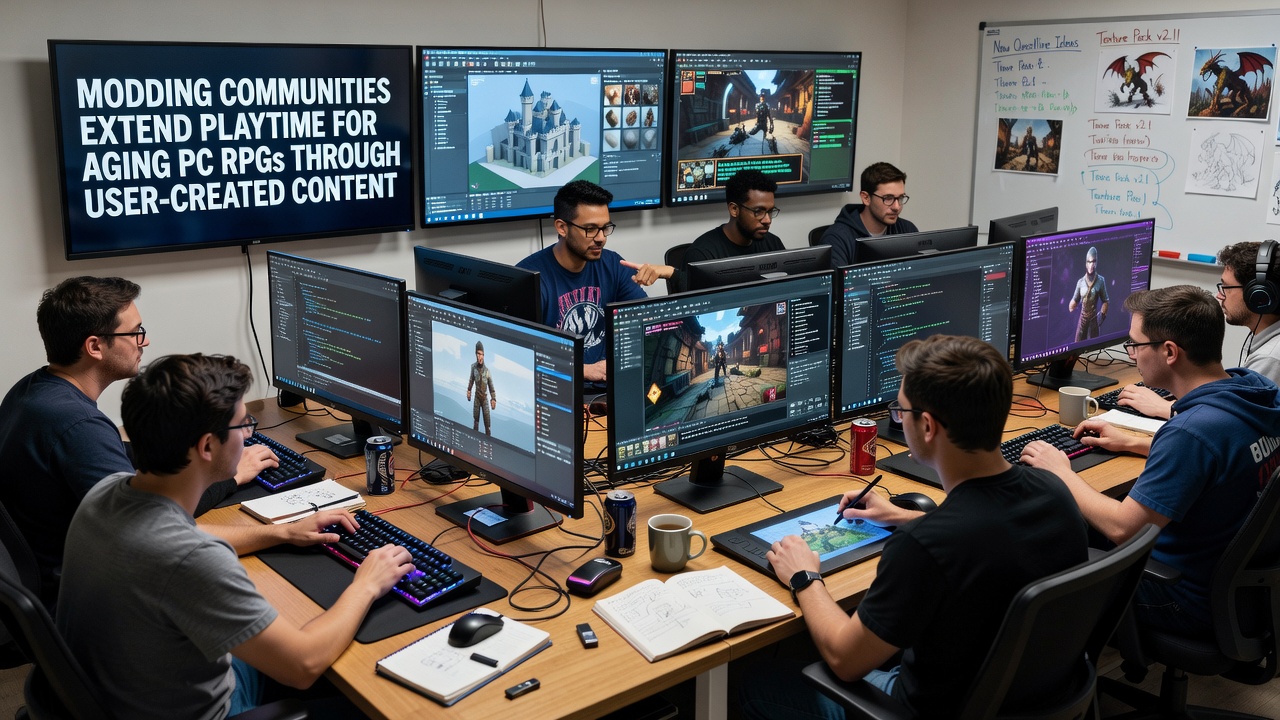
Modding Communities Breathe Extended Life into Vintage PC RPGs via Custom Content
Modding communities have transformed how players interact with older PC role-playing games by delivering vast libraries of user-generated content that extends engagement far beyond original release dates, and data from major distribution platforms shows millions of downloads for modifications targeting titles like The Elder Scrolls V: Skyrim and Fallout 4 continue to rise each year.
These groups operate through dedicated websites and forums where enthusiasts share scripts, textures, quests, and entire campaign expansions that address everything from graphical upgrades to new storylines, while researchers at the University of Melbourne documented in a 2024 study how such contributions keep aging software relevant in an era dominated by newer releases.
Core Mechanics Behind Community-Driven Extensions
Participants reverse-engineer game files to create patches that fix bugs left unresolved by developers or introduce balance changes that align with modern player expectations, and this process relies on open tools like the Creation Kit which Bethesda provides for select titles allowing seamless integration of new assets without breaking core systems.
Communities organize around version control systems and collaborative testing phases so that large-scale projects such as total conversion mods reach stable releases, whereas smaller individual contributions often focus on quality-of-life improvements like expanded inventory interfaces or weather overhauls that accumulate into noticeable playtime increases.
Scale of Activity Observed in Mid-2026
As of June 2026, tracking metrics from primary mod repositories indicate sustained upload rates for legacy RPGs, with new content packages appearing daily across categories that range from companion AI rewrites to region expansions that add explorable areas comparable in size to original game zones. Players report average session lengths growing by factors of two or three once multiple modifications are layered together, according to aggregated forum analytics shared by the Entertainment Software Association in their annual digital trends overview.
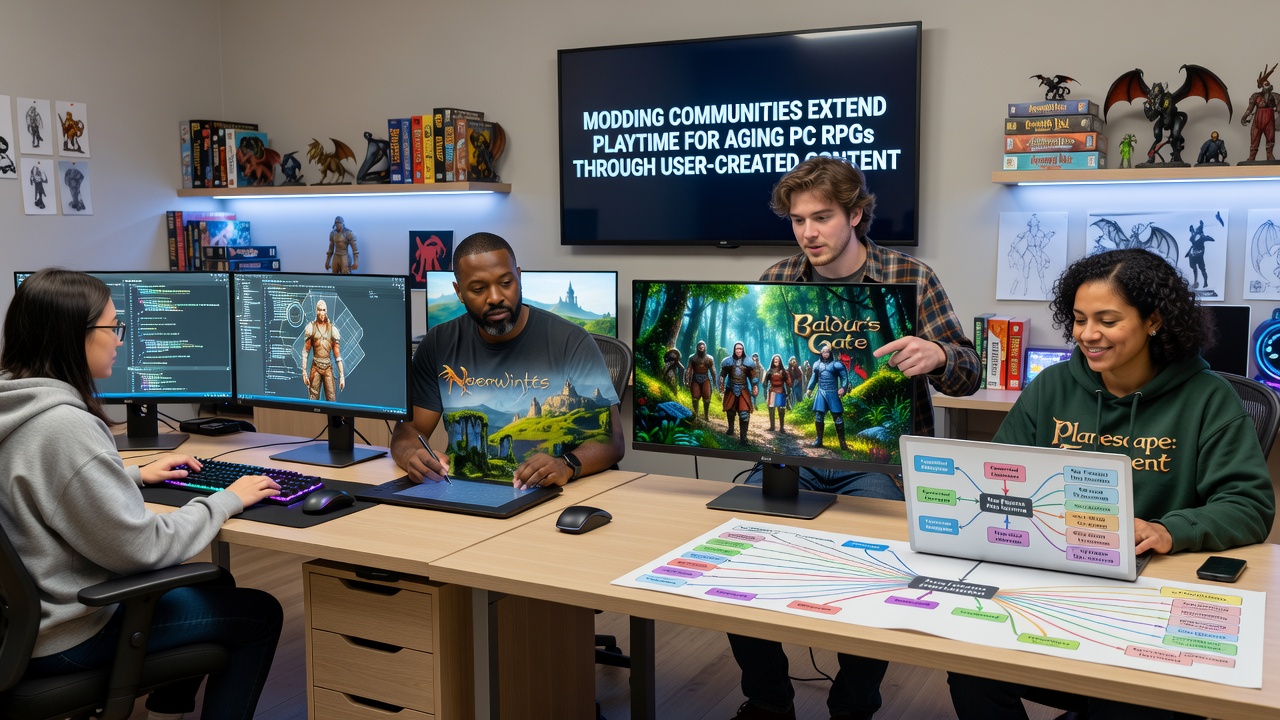
European trade groups have noted similar patterns in regional data, highlighting how localized translation mods and cultural adaptations further broaden accessibility for non-English speaking audiences and thereby multiply the effective lifespan of titles originally launched over a decade earlier.
Technical and Social Structures Supporting Longevity
Mod authors frequently release updates that maintain compatibility across game patches, and this ongoing maintenance work depends on reverse-engineering communities that document file structures publicly so newcomers can contribute without starting from scratch. Social platforms dedicated to these efforts host regular events where teams coordinate on ambitious projects such as merging multiple independent mods into unified experiences that feel like official expansions.
Those who track download statistics observe that top-ranked modifications for certain RPGs accumulate tens of millions of installs, demonstrating clear demand for content that reimagines core narratives or adds post-game challenges, while academic papers from Canadian institutions have examined how these ecosystems foster skill development in programming and digital art among participants of all ages.
Examples of Impact Across Specific Titles
Take one long-running project that began with graphical enhancements and evolved into a full narrative overhaul adding dozens of hours of voiced dialogue, and observers note how such efforts inspire spin-off creations that keep the original engine active in player libraries years after official support ended. Another case involves survival mechanics layered onto traditional RPG frameworks, turning exploration into extended resource-management loops that encourage repeated playthroughs under different rulesets.
Industry reports compiled by Australian digital culture researchers indicate that modded versions of older RPGs often outperform unmodded copies in terms of concurrent users on multiplayer-adjacent community servers, underscoring the role of custom content in sustaining active populations.
Conclusion
Modding communities continue to serve as vital extensions for aging PC RPG ecosystems by systematically generating, testing, and distributing user-created material that refreshes gameplay loops and narrative depth, and the patterns documented through 2026 reveal consistent growth in both participation and measurable playtime metrics across multiple titles and regions.