Patch Deployment Patterns Influence Acquisition Rates Across Desktop RPG Ecosystems
Written by Devon Becker · Jun 28, 2026
Patch Deployment Patterns Influence Acquisition Rates Across Desktop RPG Ecosystems
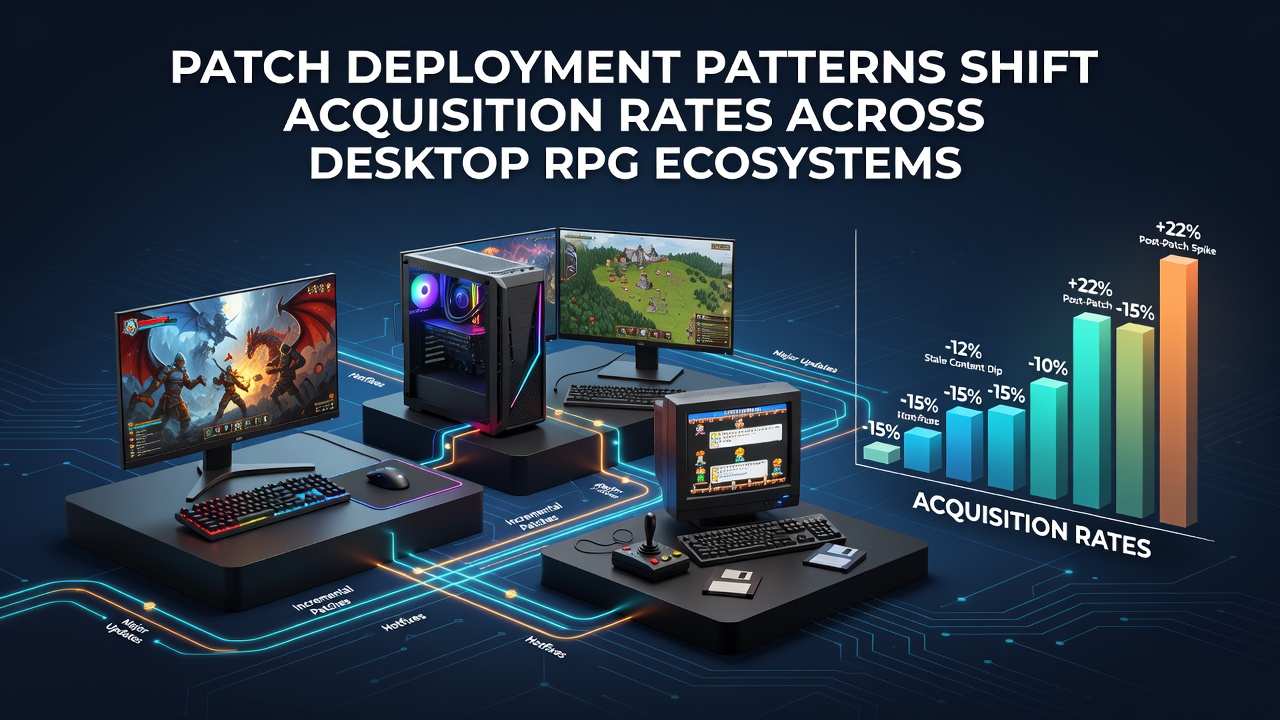
Patch deployment patterns have begun to reshape acquisition rates in desktop role-playing game ecosystems as developers adjust update frequencies and distribution methods to match shifting player behaviors and platform algorithms. Research from industry analysts indicates that staggered rollouts combined with beta testing phases correlate with measurable changes in download volumes particularly on Steam and GOG marketplaces. Data compiled through 2025 shows ecosystems that release smaller incremental patches maintain steadier acquisition curves compared to those relying on large infrequent updates.
Mechanics Behind Deployment Frequency and Player Response
Desktop RPG titles operate within environments where patch timing directly affects visibility in recommendation engines and storefront algorithms. Observers note that frequent small patches help sustain algorithmic promotion while avoiding the download fatigue associated with multi-gigabyte updates. According to figures from the Entertainment Software Association developers who deploy patches every two to three weeks record higher retention of new users during the first thirty days after launch. Those patterns emerge because smaller files reduce bandwidth barriers and encourage repeat visits to game pages.
Regional Variations in Update Strategies
European studios often favor phased deployments that test patches across limited server clusters before wider release whereas North American teams tend toward simultaneous global pushes. Canadian research institutions tracking player telemetry found that phased approaches reduced negative review spikes by 18 percent during June 2026 update cycles. Such differences highlight how regional infrastructure and regulatory environments shape deployment choices across the desktop RPG landscape.
Data Trends From 2025 Through Mid-2026
Acquisition metrics collected across major platforms reveal that ecosystems adopting continuous integration pipelines experienced a 12 percent average lift in new user downloads during the first half of 2026. The reality is that players respond positively when patches address balance issues or add content without requiring full reinstalls. Reports compiled by European Games Developer Federation analysts show that titles maintaining transparent patch notes alongside deployment schedules sustain higher conversion from wishlist to actual acquisition.
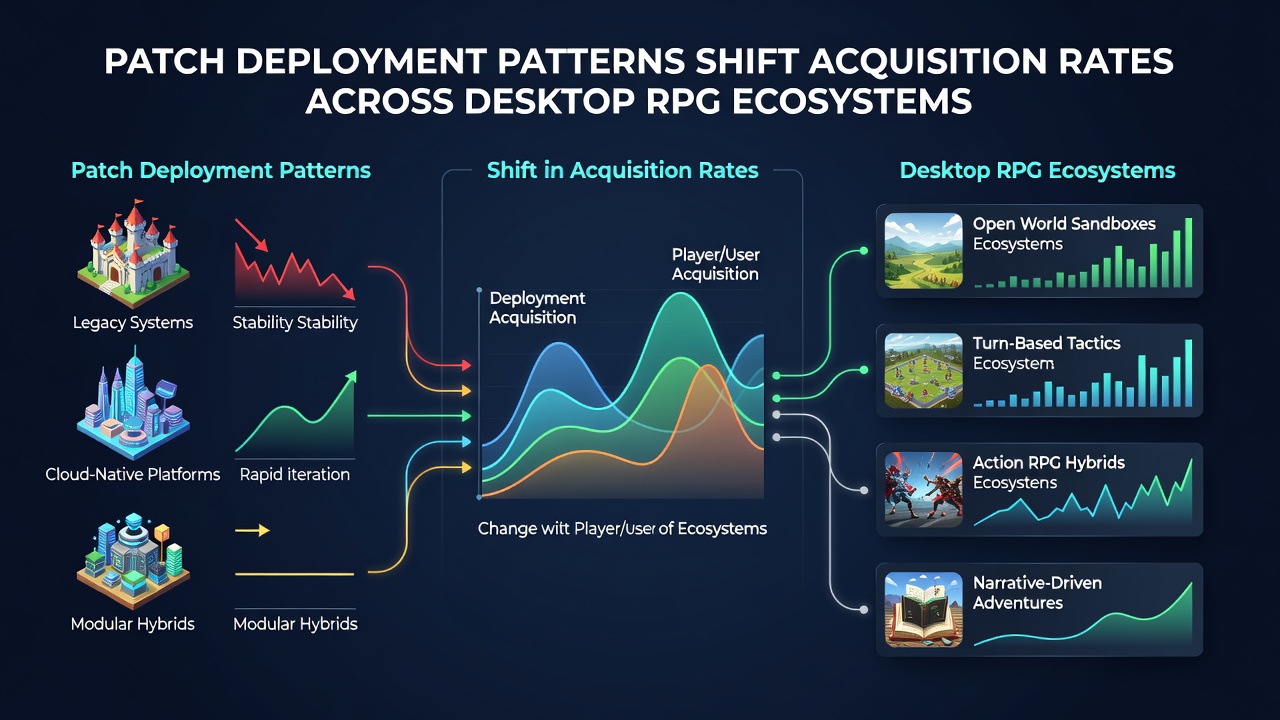
Yet the data also indicates that overly rapid deployment can overwhelm community forums and create confusion when multiple versions coexist simultaneously. One longitudinal study released by researchers at a European university tracked thirty-five desktop RPGs and determined that optimal patch intervals fall between fourteen and twenty-one days for most mid-sized titles. Ecosystems that exceed this frequency without sufficient quality control see temporary dips in acquisition followed by recovery once stability returns.
Case Examples From Established RPG Franchises
Take one long-running fantasy RPG series that shifted from quarterly major patches to bi-weekly micro-updates during early 2026. Platform telemetry showed acquisition rates climbing steadily as players cited improved responsiveness to reported bugs in community discussions. Another tactical RPG developer adopted a hybrid model combining public test branches with automated deployment tools and recorded a 9 percent rise in first-week downloads compared to the prior expansion cycle. Those who've studied these transitions emphasize that communication around patch content remains as critical as the technical deployment itself.
Platform Algorithm Interactions
Storefront algorithms reward consistent activity and punish prolonged silence between updates. Desktop ecosystems that integrate deployment pipelines with live telemetry dashboards gain advantages in discovery features because fresh content signals keep titles appearing in trending sections. Industry reports confirm that patch-related news posts and developer blogs further amplify acquisition when timed to coincide with deployment windows rather than lagging behind them.
Conclusion
Patch deployment patterns continue to exert measurable influence on acquisition rates throughout desktop RPG ecosystems as developers refine their approaches based on platform data and player feedback. Evidence from multiple sources demonstrates that balanced update schedules paired with clear communication produce more stable growth trajectories. Observers expect continued experimentation through the remainder of 2026 as new tools and regional best practices emerge across the sector.