Patch Dynamics: How Updates Reshape Indie Game Exposure on Digital Platforms
Written by Devon Becker · Jun 7, 2026
Patch Dynamics: How Updates Reshape Indie Game Exposure on Digital Platforms
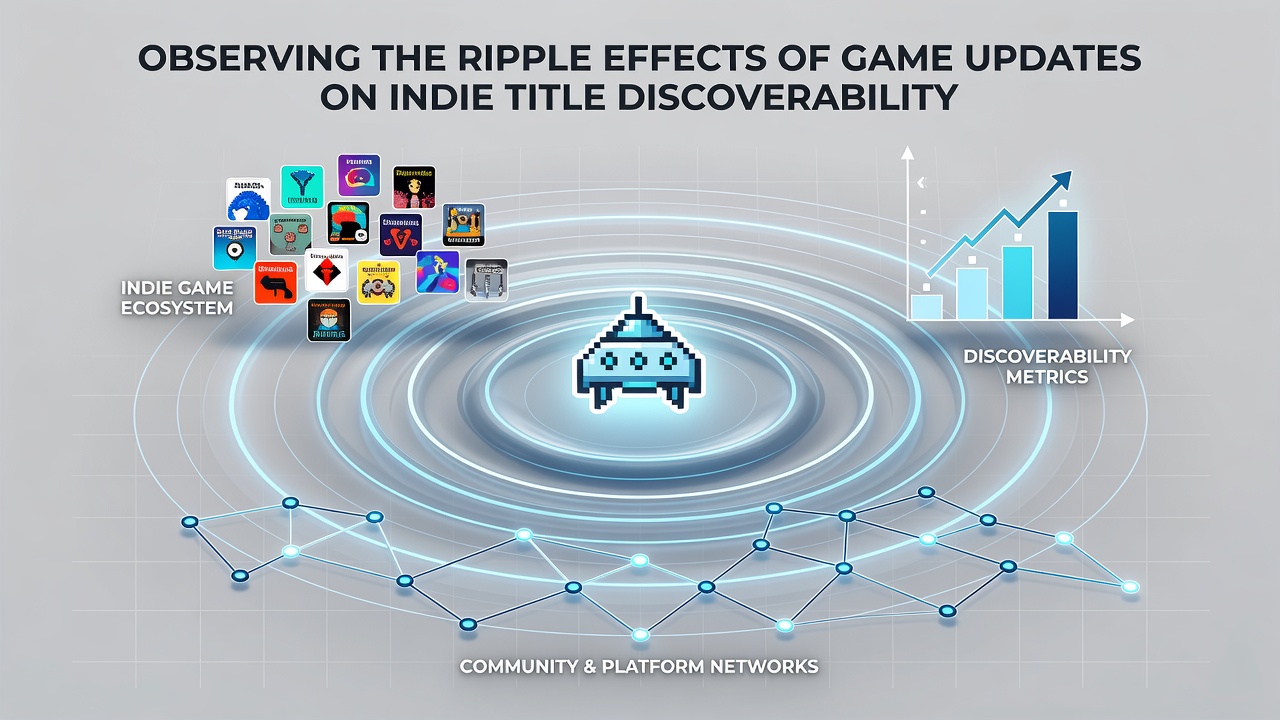
Game updates trigger measurable shifts in how indie titles surface across digital storefronts and recommendation engines, according to platform data patterns tracked through 2026. Developers release patches to address bugs, add features, and refine balance, yet these changes also influence algorithmic promotion, player engagement metrics, and search rankings in ways that extend beyond the immediate code adjustments.
Mechanics of Visibility After Patches
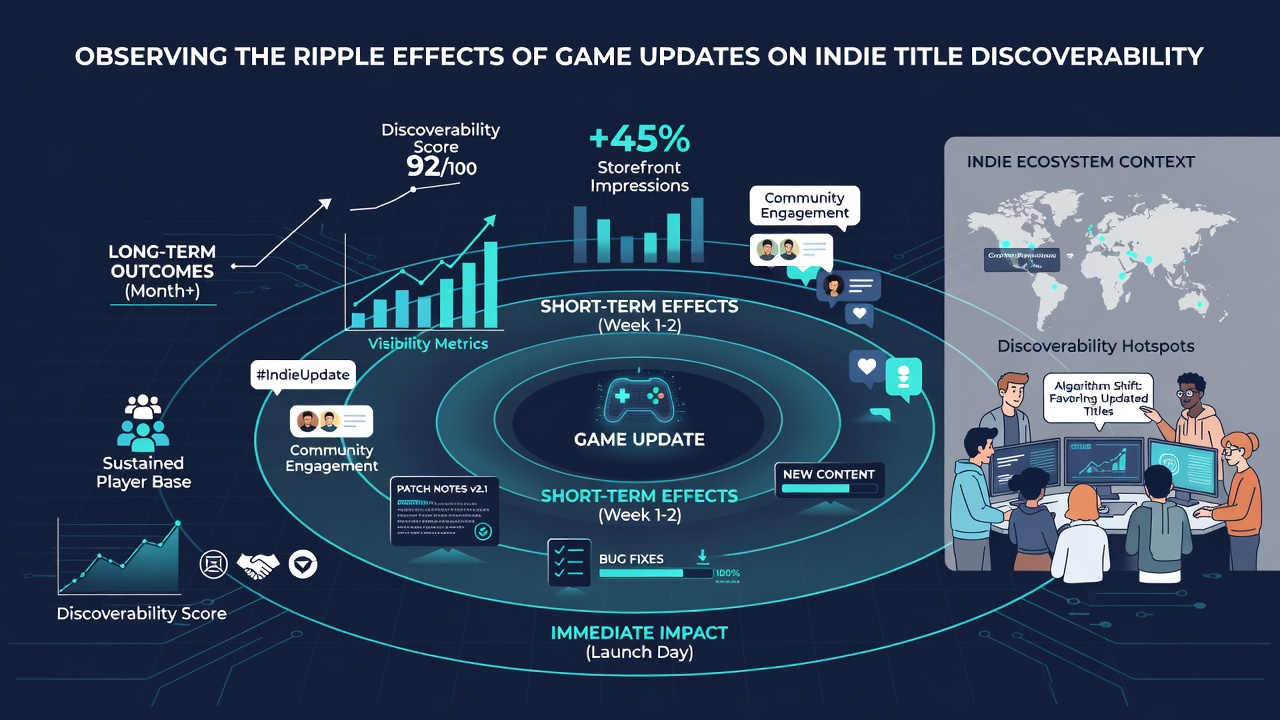
Storefront algorithms evaluate recent activity levels when determining placement in discovery queues, and updates often generate fresh metadata that platforms interpret as signs of ongoing support. Data from major distribution services shows that titles receiving consistent patches during active development cycles appear more frequently in "new and trending" or "recommended for you" sections compared with static releases. This occurs because update logs refresh product pages, prompting re-indexing that surfaces the game to users who previously filtered for similar genres or tags.
Researchers at academic institutions have documented correlations between patch frequency and download velocity in controlled analyses of Steam and itch.io catalogs. One study tracked over 1,200 indie projects and found that titles issuing at least one substantial update per quarter maintained higher average visibility scores over six-month periods than those with infrequent changes. The effect compounds when patches coincide with seasonal sales events, where increased traffic amplifies the initial boost from refreshed content.
June 2026 Update Cycles and Platform Responses
During June 2026, several indie action and adventure projects released coordinated patches that aligned with mid-year promotional periods on PC platforms. Analytics dashboards revealed temporary spikes in organic impressions for these titles, particularly when patch notes included new gameplay modes or quality-of-life improvements that encouraged existing players to return and generate additional review activity. Observers note that such returns feed into retention signals that algorithms weigh heavily when ranking search results and curator lists.
Platform operators adjust recommendation weights based on post-update engagement velocity, which explains why some smaller titles experience secondary discoverability waves days or weeks after the initial patch deployment. These waves appear most pronounced for games already possessing a modest player base capable of producing meaningful interaction data once new content arrives.
Broader Industry Patterns and Supporting Evidence
Industry reports compiled by the Entertainment Software Association indicate that indie developers increasingly treat updates as strategic visibility tools rather than purely technical necessities. The reports highlight how sustained post-launch support correlates with extended chart presence across regional storefronts in North America and Europe. European data sets further show that titles incorporating player feedback into patches achieve steadier long-term discoverability compared with those relying solely on launch marketing.
Additional analysis from developer associations reveals regional variations. Titles originating from studios in Canada and Australia demonstrate similar uplift patterns when updates address localization or accessibility features, because these changes expand searchable keywords and appeal to broader demographic segments. The International Game Developers Association has published summaries noting that developers who communicate update schedules through community channels often see accelerated sharing that feeds into external referral traffic.
Quantifiable Ripple Effects Across Ecosystems
Download peaks following patches rarely occur in isolation. Instead, they propagate through related metrics such as wishlist additions, review volume, and streaming mentions that collectively reinforce algorithmic favor. When one update generates sufficient engagement to push a title into higher visibility tiers, subsequent patches benefit from the established momentum, creating a compounding sequence documented in multiple platform case logs.
Those tracking these patterns across 2025 and 2026 observe that the strength of each ripple depends on factors including patch substance, timing relative to platform events, and the title's existing metadata quality. Smaller updates focused on stability tend to produce modest, short-lived effects, whereas feature expansions generate more sustained exposure when accompanied by clear communication to existing audiences.
Conclusion
Game updates function as recurring signals within discovery systems, and their cumulative influence on indie title visibility follows consistent patterns across available data sources. Developers who align patch releases with platform cycles and player expectations observe measurable shifts in how their projects appear to new audiences, while static titles show comparatively limited movement in recommendation surfaces. Continued monitoring of these dynamics provides clearer insight into the relationship between maintenance activity and long-term discoverability on digital marketplaces.