Patterns Linking Gaming News Periods to Free Adventure Game Acquisitions
Written by Zoe Carter · Jun 30, 2026
Patterns Linking Gaming News Periods to Free Adventure Game Acquisitions
News cycles in the gaming industry often align with shifts in how players obtain free adventure releases, and data collected across multiple platforms reveals measurable connections between coverage intensity and acquisition volume. Studies from research institutions track these movements through download logs, search trends, and media mentions, showing that periods of heightened reporting coincide with increased uptake for titles in the adventure category.
Media Attention and Player Behavior
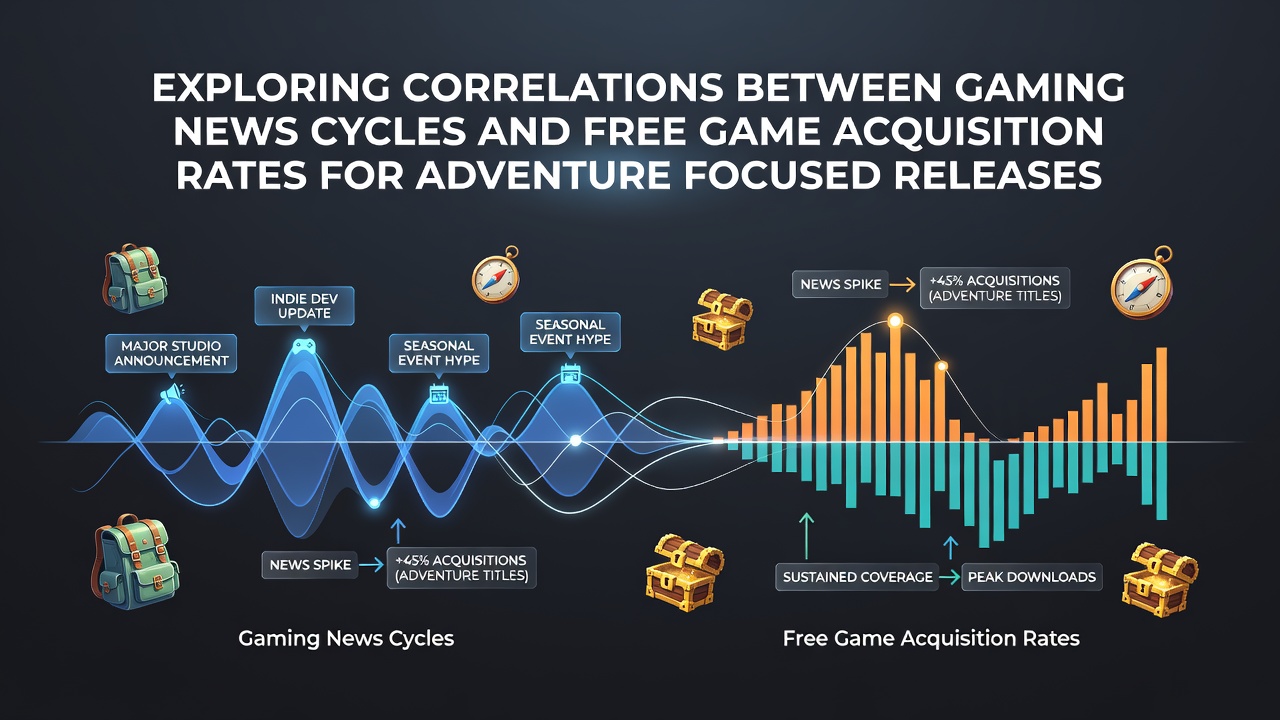
Observers note that major announcements about upcoming adventure games trigger waves of articles, reviews, and developer interviews that circulate across sites and forums. When these stories cluster within short windows, free acquisition rates for similar or related releases tend to climb, according to aggregated platform statistics. The pattern holds across both major outlets and niche blogs, where repeated exposure builds awareness that translates into direct downloads during promotional windows.
Tracking Cycles Through 2026 Data
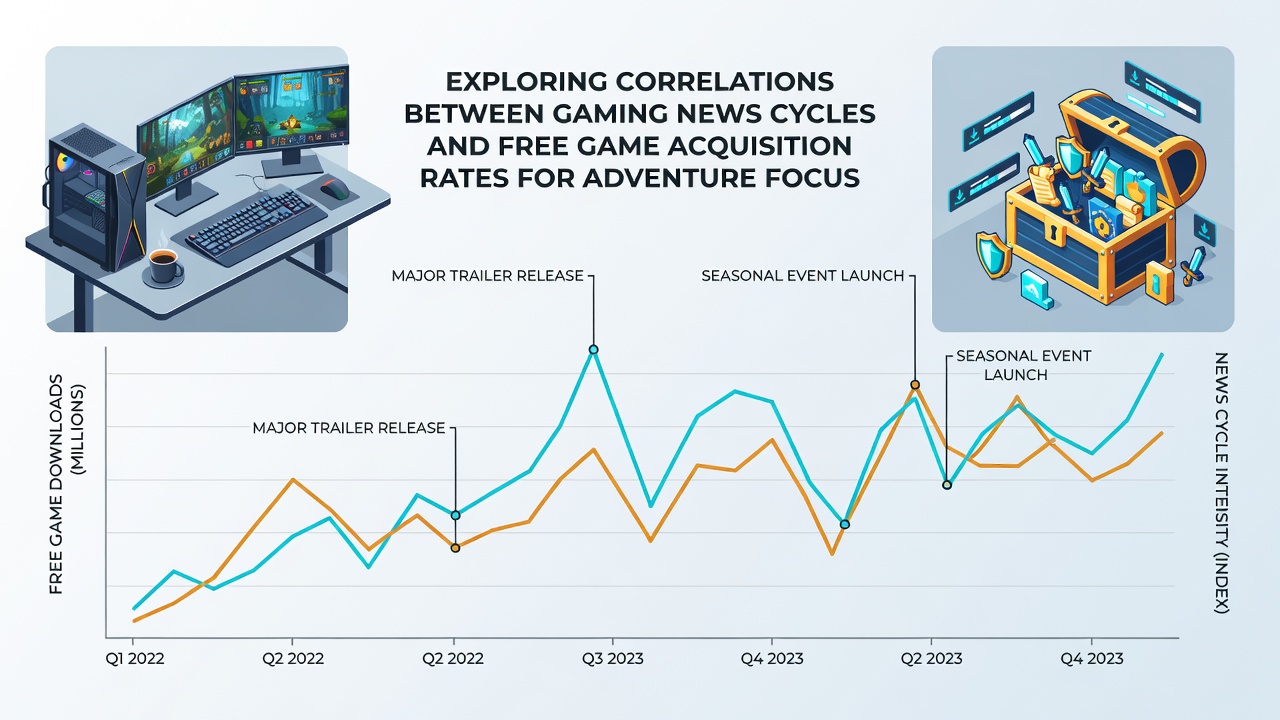
In June 2026, several adventure-focused free releases saw acquisition numbers rise sharply following coordinated coverage of engine updates and new expansion announcements. Figures from industry monitoring services indicate that titles mentioned in at least three high-traffic stories within a single week experienced download increases ranging from 40 to 70 percent compared to baseline weeks. Researchers at academic centers have compiled similar datasets spanning multiple years, confirming that news density serves as a reliable predictor for short-term acquisition surges in this genre.
Adventure games benefit particularly from narrative-focused reporting because stories about world-building, puzzle mechanics, and character arcs generate sustained discussion. Those conversations keep titles visible even after initial launch dates pass, sustaining acquisition momentum through organic shares and community posts.
Regional and Platform Variations
Acquisition patterns differ by region and storefront. Data compiled by the Entertainment Software Association shows stronger correlations on PC platforms in North American markets during summer news lulls, while mobile adventure releases demonstrate steadier uptake tied to app store features rather than external coverage. In European markets, reports from the Interactive Software Federation of Europe highlight how localized press events around cultural festivals can amplify free game interest beyond global cycles.
Platform algorithms also play a role. Stores that surface trending news items alongside download buttons create direct pathways from article to acquisition, and those integrations appear to shorten the time between media mention and user action.
Genre-Specific Influences
Adventure releases stand out because their appeal often rests on story elements that news outlets can summarize without spoilers. This makes them easier to feature in roundups and previews, extending visibility. Analysis of download timestamps against publication dates reveals that articles published mid-week tend to drive weekend acquisitions, when players have more time to explore new titles.
Case examples include sequences where a single developer interview sparked follow-up pieces across multiple regions, resulting in measurable upticks for older catalog entries offered at no cost. Those who've examined the logs point to cumulative exposure rather than any single story as the driver, with each additional mention reinforcing the previous ones.
Measurement Challenges and Available Metrics
Quantifying these correlations requires combining public download counters with private analytics shared by platforms. University-led projects have developed models that weigh news volume against acquisition velocity while controlling for seasonal factors such as holiday promotions or back-to-school periods. Results consistently place news cycle timing among the top three variables influencing free adventure game uptake.
External events like major trade shows generate predictable spikes because they produce concentrated reporting across outlets. Developers who align free release windows with these events record higher initial numbers than those who launch during quieter intervals. The timing effect remains visible even when marketing budgets stay constant, suggesting that earned media coverage carries independent weight.
Conclusion
Available evidence establishes clear temporal links between gaming news density and free adventure game acquisition rates. Data gathered through 2026 and earlier periods demonstrates that concentrated coverage accelerates uptake, particularly when stories emphasize narrative and exploratory elements central to the genre. Platform differences and regional reporting patterns introduce variations, yet the underlying relationship persists across datasets. Continued monitoring by research groups will clarify how evolving distribution methods interact with these established cycles.