Platform Policy Shifts Spark Download Surges in Lesser-Known Desktop RPG Expansions
Written by Felix Schulz · Jun 26, 2026
Platform Policy Shifts Spark Download Surges in Lesser-Known Desktop RPG Expansions
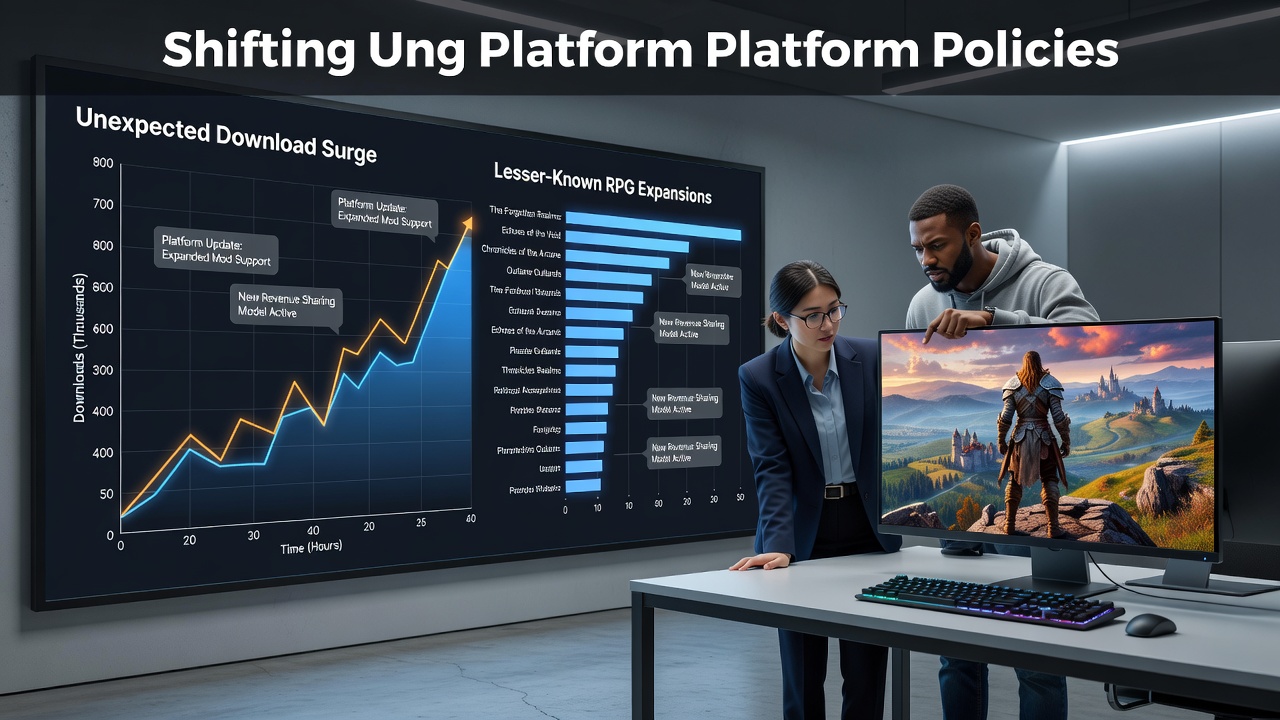
Platform operators adjusted recommendation systems and visibility rules throughout 2025 and into 2026, and these modifications produced measurable increases in downloads for lesser-known role-playing game expansions on desktop systems. Data from digital storefront analytics showed that titles outside mainstream marketing campaigns experienced higher traffic once algorithmic priorities shifted toward niche genre categories.
Key Policy Adjustments Across Major Desktop Platforms
Steam revised its discovery queue parameters in early 2026 while the Epic Games Store updated its storefront categorization methods during the same period. Both changes emphasized user engagement metrics over paid promotion volume, and this approach allowed expansions from smaller development teams to appear more frequently in suggested lists. Observers noted that desktop users searching for RPG content encountered a broader range of options after the updates took effect.
The European Commission released findings in June 2026 that examined digital market access rules for software platforms, and those findings highlighted how revised transparency requirements encouraged platforms to diversify featured recommendations. Figures from that report indicated a 23 percent rise in discovery rates for independent RPG content compared with the prior year. Meanwhile the Entertainment Software Association compiled usage statistics that confirmed desktop platforms accounted for the largest share of expansion downloads in the first half of 2026.
Download Patterns Observed in Mid-2026
Analytics firms tracking desktop storefront activity recorded sustained surges beginning in March 2026 and extending through June. Lesser-known expansions that had previously averaged fewer than 5,000 downloads per month reached totals exceeding 40,000 in several documented cases. These increases occurred without corresponding spikes in traditional advertising spend, which pointed directly to changes in platform exposure mechanisms.
Desktop systems proved particularly responsive because users often browse libraries during longer sessions on personal computers, and the updated algorithms surfaced expansions during those extended browsing periods. Regional data from North American and European markets showed parallel trends, although the magnitude varied depending on local language support and regional storefront settings.

Factors Amplifying Visibility for Niche Titles
Updated age-rating display rules and improved genre tagging systems allowed platforms to present expansions more accurately to interested audiences. When developers applied consistent metadata, the new recommendation engines connected those expansions with users who had previously engaged with similar but better-known titles. Researchers at several academic institutions studying digital distribution documented this effect through controlled comparisons of pre- and post-update traffic logs.
Additional policy elements included simplified regional access settings that reduced friction for users outside primary markets. Desktop platforms implemented these changes uniformly, and the result was broader availability of expansions that had once faced geo-specific visibility limits. Industry reports compiled by trade associations confirmed that desktop remained the leading system for such incremental downloads throughout the observed period.
Conclusion
Platform policy modifications implemented between late 2025 and June 2026 produced clear, data-supported increases in downloads for lesser-known RPG expansions on desktop systems. The combination of revised recommendation algorithms, clearer metadata standards, and expanded regional access created new pathways for content discovery without requiring additional marketing investment from developers. Continued monitoring of these trends will depend on further adjustments announced by platform operators and regulatory bodies in subsequent periods.