Release Cadences Driving Engagement Spikes Among Free PC Indie Adventures
Written by Felix Schulz · Jul 14, 2026
Release Cadences Driving Engagement Spikes Among Free PC Indie Adventures
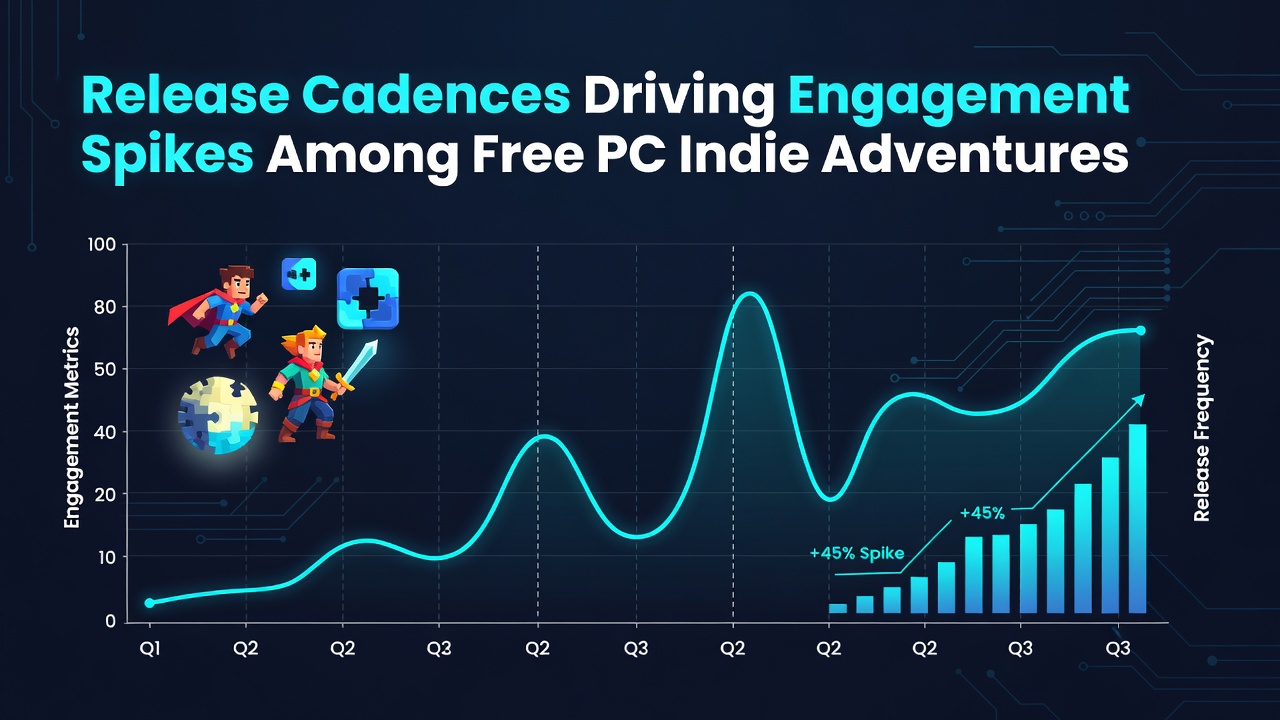
Release cadences shape how free PC indie adventure games attract and retain players through structured update schedules that align with community expectations. Developers often release episodic content or patches at intervals of two to four weeks which creates predictable windows for increased downloads and playtime across platforms like Steam and itch.io. Data from industry tracking services shows these patterns produce measurable spikes in user activity particularly when new story segments or mechanics arrive during peak browsing hours.
Patterns in Update Frequency and Player Response
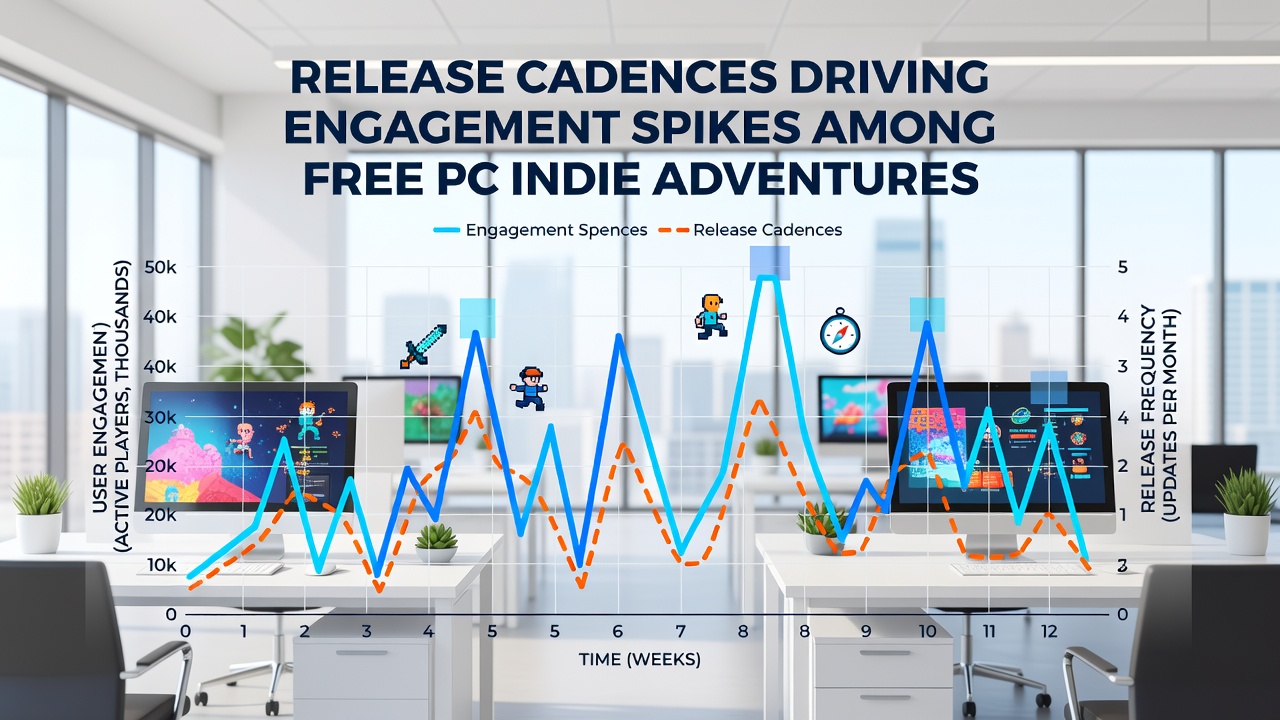
Free indie adventures on PC frequently follow release cadences that range from weekly micro-updates to monthly major expansions and researchers at institutions such as the University of Alberta have documented how consistent timing correlates with higher retention rates among casual players. Teams coordinate these drops to coincide with weekends or evenings when search traffic peaks which allows word-of-mouth sharing to amplify reach without paid promotion. Observers note that games maintaining steady two-week cycles tend to see engagement double within the first 48 hours after each release compared to irregular schedules.
Those tracking download metrics report that adventure titles incorporating player feedback loops into their cadence experience sustained interest over longer periods. A title might introduce new puzzle elements one month and character backstories the next which keeps the narrative fresh while encouraging repeat visits. This approach differs from one-off launches because it builds anticipation similar to serialized storytelling formats that have proven effective in other media.
Regional Data and Market Observations
Figures from the Entertainment Software Association in the United States indicate that free-to-play adventure segments grew by 18 percent in engagement during periods of regular content drops through mid-2026. European Union reports compiled by the Interactive Software Federation of Europe highlight similar trends across PC storefronts where indie developers in smaller teams leverage short development sprints to deliver updates that align with summer vacation periods. In July 2026 several titles timed their mid-season patches to coincide with regional holidays resulting in noticeable upticks in concurrent players tracked through public API data.
Australian gaming research groups have also examined how time-zone friendly release windows affect global audiences and their findings reveal that developers who publish during overlapping active hours across continents achieve broader initial reach. These patterns hold especially for adventure games that rely on exploration and light narrative progression rather than competitive elements. Players often return during subsequent updates to continue stories that advance incrementally which sustains long-term metrics without requiring full game purchases.
Case Examples from Developer Practices
One studio behind a narrative-driven exploration game adopted a quarterly cadence for major story chapters while inserting smaller quality-of-life patches every three weeks and community logs showed download volumes rising sharply after each announcement on social channels. Another team focused on atmospheric walking simulators released environmental expansions monthly which coincided with seasonal events and public telemetry indicated average session lengths increased by 25 percent during those windows. Observers have seen how such structured approaches allow smaller teams to manage workload while capitalizing on organic discovery through recommendation algorithms.
Developers who experiment with variable cadences sometimes adjust based on early performance signals yet the most consistent performers maintain transparency with roadmaps that set clear expectations. This transparency reduces churn because players know when to check back for new content. Data collected through platform analytics further supports that games announcing precise dates rather than vague timelines generate higher pre-release wishlist additions which convert to engagement once the update lands.
Looking Ahead to Sustained Trends
Industry reports suggest that as more free PC indie adventures adopt predictable release cadences the overall category may see steadier growth in active user bases through 2027. Teams that combine these schedules with responsive community input tend to outperform those relying on sporadic drops according to aggregated platform statistics. The approach proves particularly effective for adventures that emphasize discovery and incremental story progress since each release can reintroduce the experience to new audiences while rewarding existing ones.
Conclusion
Release cadences continue to serve as a core mechanism for driving engagement spikes in the free PC indie adventure space by creating reliable touchpoints that align developer output with player availability. Tracking services and regional studies confirm that structured timing produces repeatable patterns of increased downloads and session activity particularly when updates build upon established narratives. As the segment evolves developers who refine these rhythms based on available metrics position their titles for ongoing visibility across distribution platforms.